
At a glance
| Notice field | What to match |
|---|---|
| Component and catalog number | Exact part used at the treated site |
| Lot, serial or case number | Identifier actually specified in this notice |
| Country and distribution | Whether the relevant market or supplied case is included |
| Instructions for units already placed | Who contacts the patient and what assessment the notice requests |
Identify the product and the market
Look for the component name, catalog or device identifier, lot or case numbers, issuing country and distribution information. A notice can concern the implant in the bone, an abutment above it or a laboratory-made restoration. The practice may need both a surgical label and a laboratory record to establish which part was used.
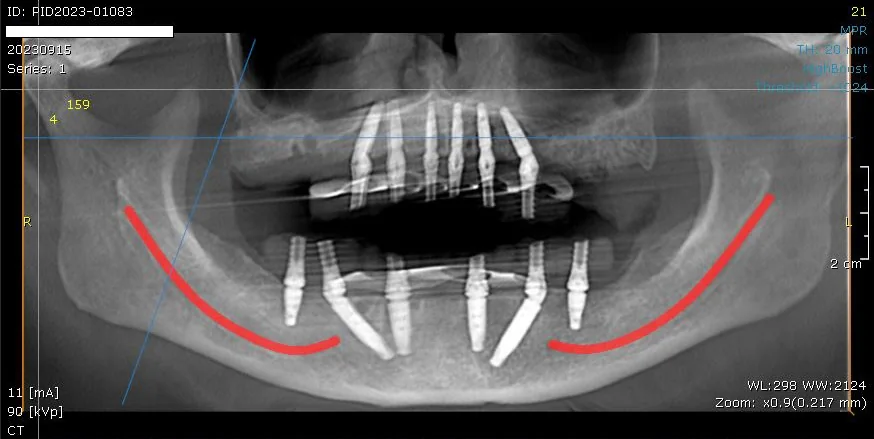
Two notices with different instructions
A U.S. FDA record for the GM Helix Implant described a packaging mismatch in one identified lot. The firm asked customers to quarantine affected stock and advised that the recall alone required no removal or extra follow-up for products already implanted. A different U.S. correction for DDS Lab restorations concerned possible use of a temporary cylinder in a definitive restoration. Providers were asked to notify affected patients and monitor those restorations.
Get the match and response documented
Ask the treating office to record whether the patient, site, component and lot or case number match, who checked and what the applicable notice says. U.S. records illustrate the process. For treatment in Mexico, confirm distribution and instructions with the clinic, manufacturer or relevant local authority. A new symptom still deserves clinical attention even if the device falls outside the notice.