
Implant Science
Implant Science
Materials, mechanics and the measurements behind a clinical claim.
From research to the chair
Implant ScienceTitanium and zirconia implant bodies
“Zirconia teeth” can describe a ceramic crown on a titanium implant or a ceramic implant in the jaw. Those are different purchases. Identify the part being compared before interpreting the material, the price or the follow-up evidence.
 Implant Science
Implant survival and treatment success
A retained implant, healthy surrounding tissue and a bridge that has never needed a repair are three different outcomes. A survival percentage becomes useful once you know which outcome the researchers counted, for whom and for how long.
Implant ScienceHow researchers measure bone-to-implant contact
Bone-to-implant contact is measured on a section of tissue under a microscope. It can show how healing changes near a particular surface. A larger percentage at an early time point answers a much narrower question than how long a crown will function.
 Implant Science
What an implant fatigue test measures
Implant advertisements sometimes report a load value or mention ISO 14801. The standard describes a repeatable bench test for an assembled implant and its components. It helps compare specified test assemblies. It does not provide a service-life forecast for an individual patient.
 Implant Science
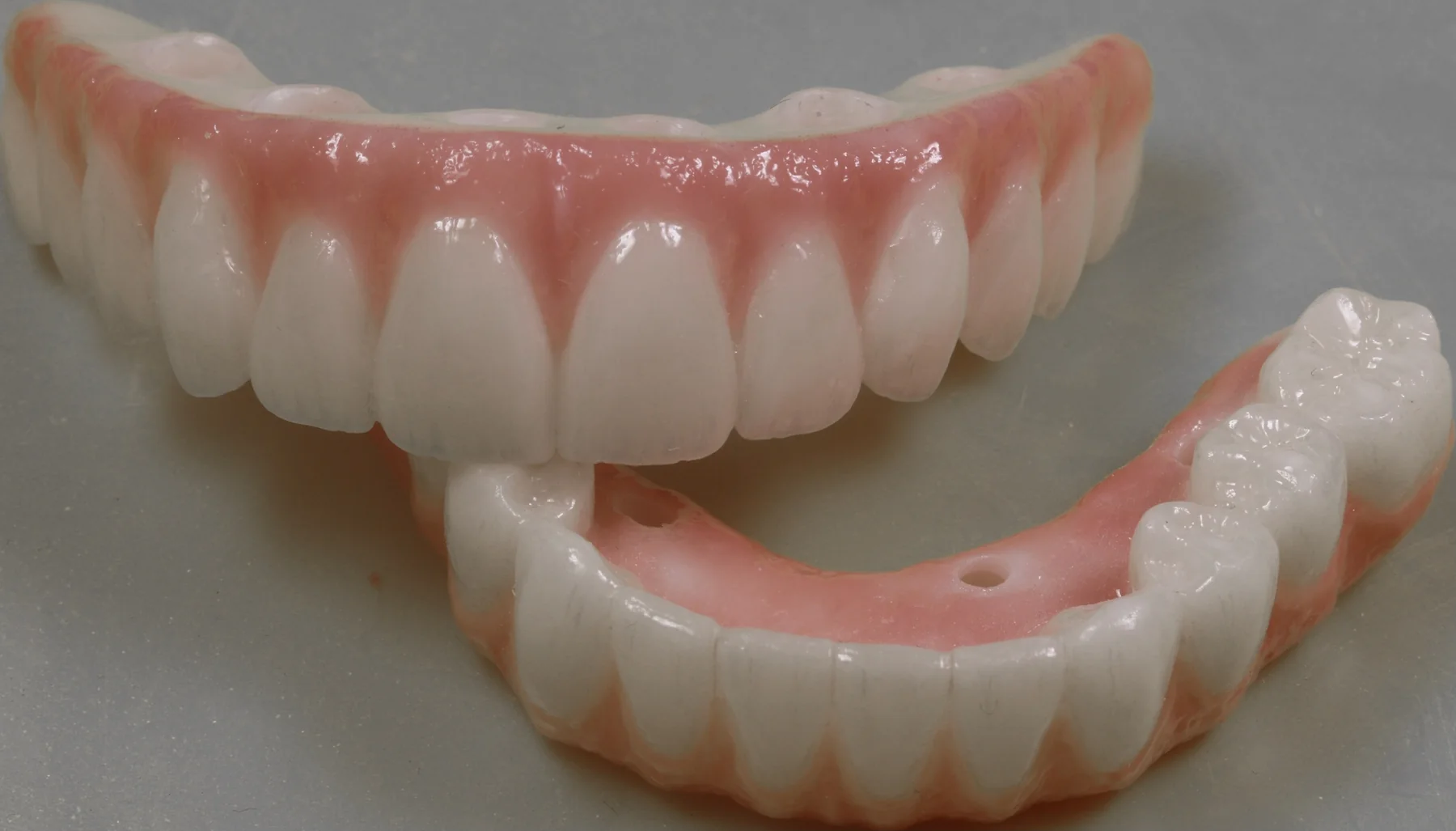
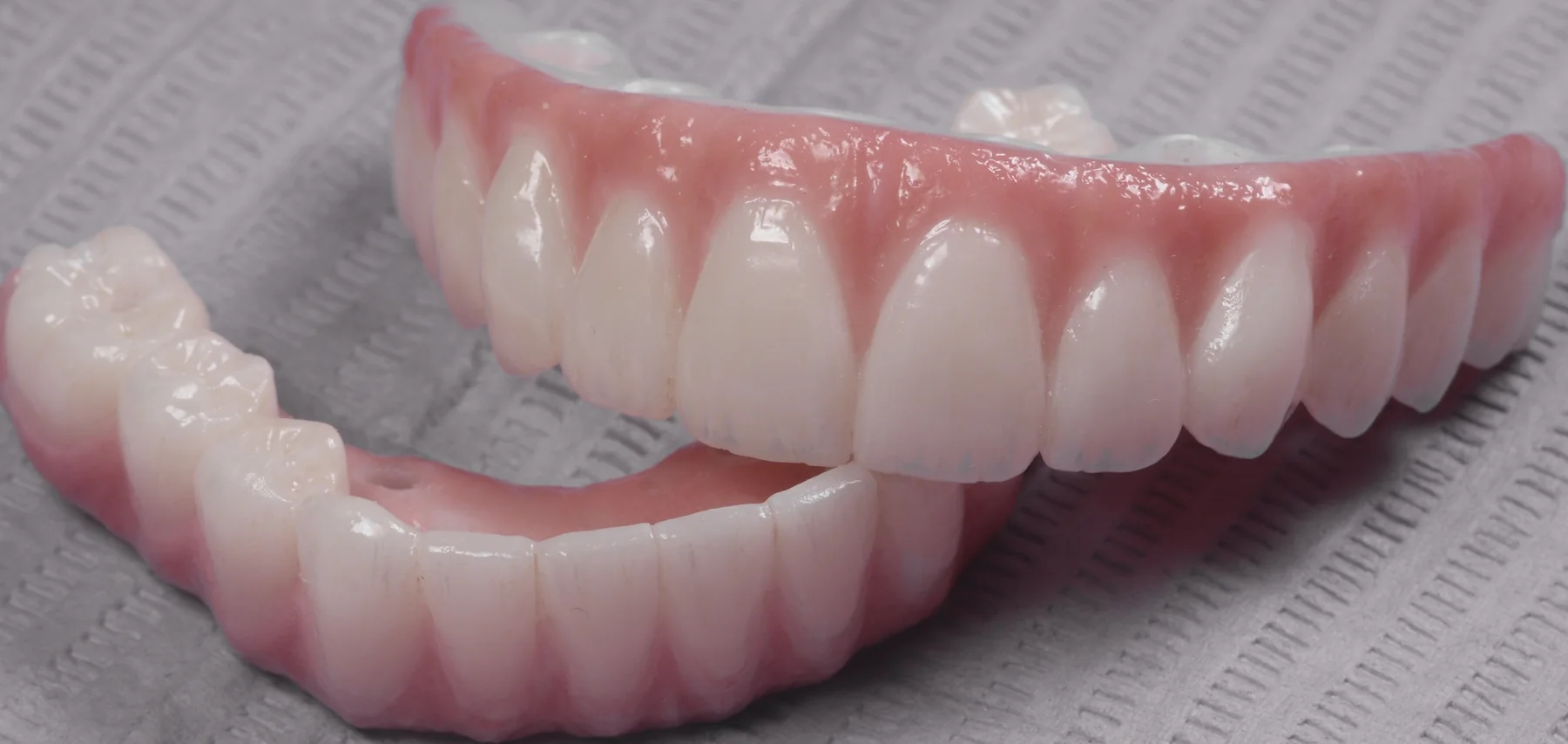
Milled and printed temporary implant bridges
Two bridges can look alike on delivery day and behave differently over the weeks of healing. A small crossover trial put two temporary materials in the same patients’ mouths, which makes its findings unusually relevant to the temporary stage.
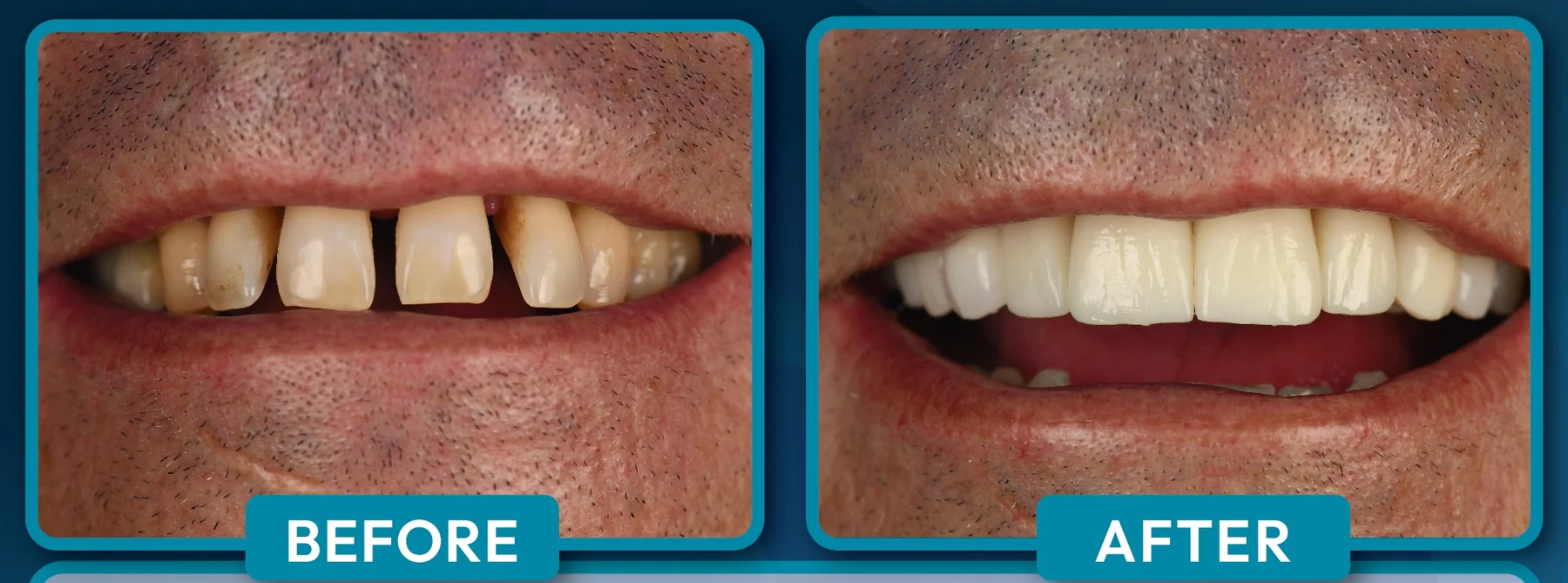
Implant ScienceZirconia and metal-acrylic final arch bridges
The material supporting a bridge and the material shaping its teeth can differ. A comparison of 74 treated arches followed both repair events and implant outcomes over an average of 8.7 years.
Implant ScienceWhat a laboratory return tells you about a zirconia bridge
One dental laboratory tracked 2,039 one-piece zirconia arches and reported six bridge fractures. Understanding its five-year estimate starts with a simple question. Which problems would bring a bridge back to that laboratory?
 Implant Science
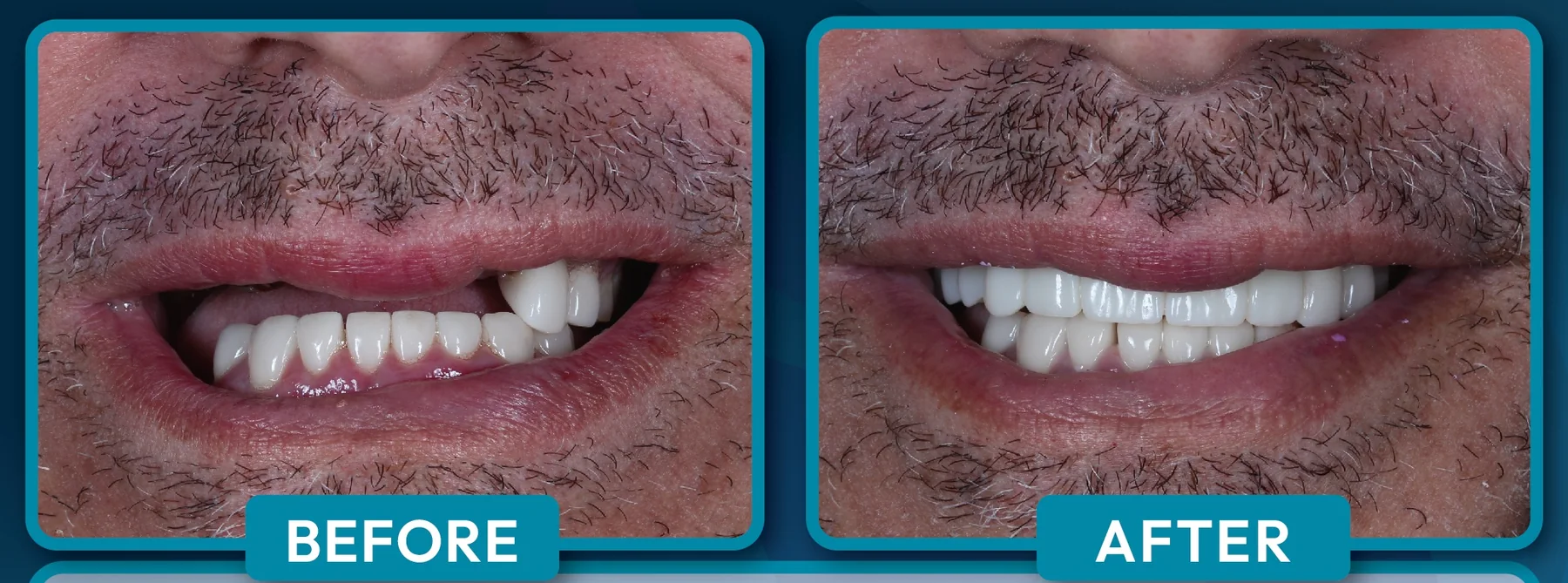
Why the veneer matters on a zirconia implant crown
A layered crown can have both a zirconia framework and a different ceramic covering its surface. A long-running two-center study kept a record of what happened to the covering as well as whether the crown remained in service.
 Implant Science
How abutment color can affect the look of the gum
The connector underneath a crown can affect the optical appearance of the soft tissue above it. In studies of front teeth, researchers measured the color of the gum itself and compared it with gum around a natural neighbor.
 Implant Science
What cold working changes in implant-grade titanium
Two pieces of commercially pure titanium can carry the same grade description and resist deformation differently. Processing history adds information that the chemical grade alone cannot provide.
 Implant Science
What a ten-year titanium-zirconium trial actually tested
Could two metals perform well in the same small-diameter implant design? A trial gave each participant one titanium and one titanium-zirconium implant beneath a lower overdenture, then followed the two sides over time.
 Implant Science
Why researchers age zirconia implants in the laboratory
Aging studies ask whether moisture and heat can change a particular ceramic. Accelerating that process lets a laboratory inspect changes at the surface and inside the material without waiting years for a clinical follow-up.
Implant ScienceHow closely does a full-arch implant scan match the reference?
An implant bridge must connect to several positions across a curved jaw. A full-arch accuracy study can examine both the locations and the angles of those positions before the laboratory makes the bridge.
 Implant Science
Reading insertion torque and implant stability quotient
A treatment record can contain two different stability numbers. Insertion torque records rotational resistance during placement. Resonance frequency analysis produces an implant stability quotient, or ISQ, from the response of the implant and surrounding support to a small vibration.
Implant ScienceBone-level and tissue-level describe the implant interface
The location of the restorative interface, the way an implant heals and the number of components are separate entries on a device record. One phrase such as “two-stage implant” cannot reliably identify all three.
 Implant Science
What finding titanium particles in tissue can establish
Studies have detected small titanium particles near dental implants. Detection, concentration and a biological response describe different observations. The sequence matters when asking whether the particles contribute to disease.
 Implant Science
Early and late implant loss use different clocks
In one major Swedish study, “early” meant before the restoration was connected. Another paper could instead choose a fixed number of months after surgery. Comparing two early-failure rates starts by locating that dividing line.
 Implant Science
Who is still counted in a fifteen- or twenty-year implant study?
A long observation period matters only alongside the number of people who could be followed. A patient who moved away, a patient whose implant was removed and a patient whose implant was examined yesterday contribute different kinds of information.