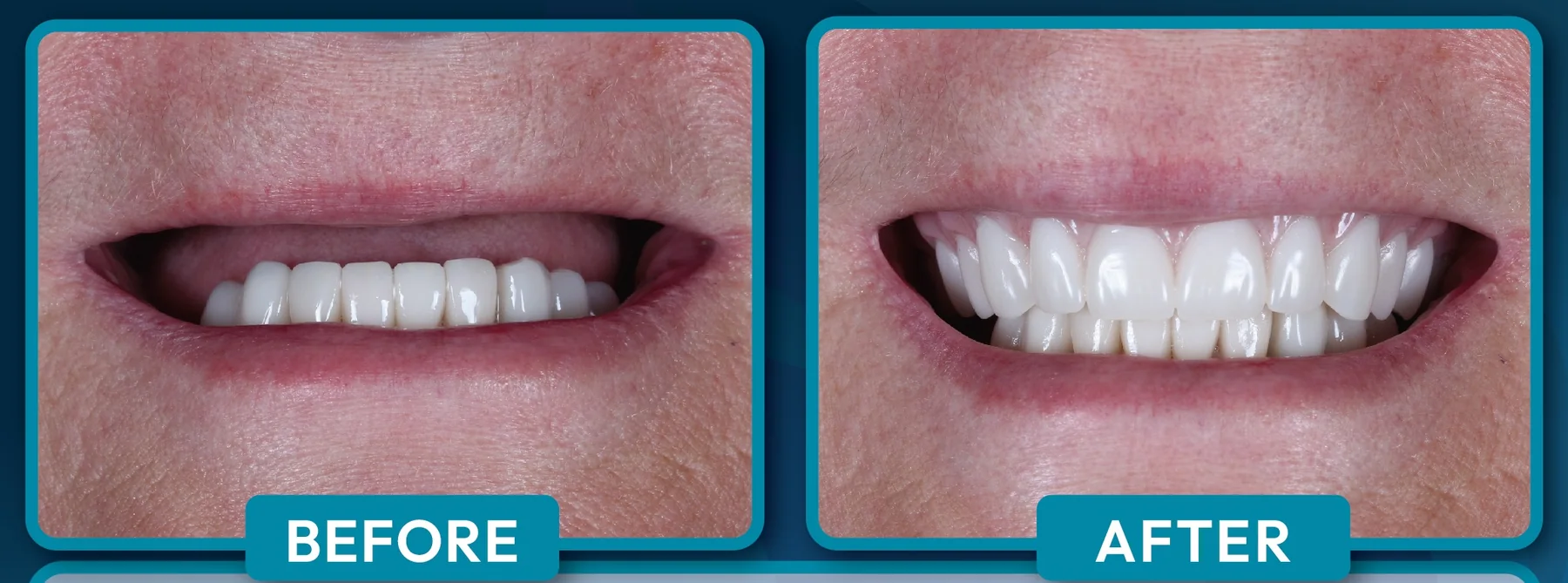
At a glance
| Part or outcome | What to ask the provider |
|---|---|
| Framework | Material and design of the supporting structure |
| Teeth | Material of the chewing surfaces and any veneer |
| Minor repair | How an individual damaged tooth or surface is managed |
| Major repair | Whether the bridge must be removed or remade |
Which object is being compared?
In a metal-acrylic design a metal structure supports acrylic restorative teeth. The zirconia group in the clinical review received zirconia-based fixed bridges. Both groups had implants underneath. A problem with a tooth on the bridge, a fractured framework and loss of an implant occupy different lines in a treatment record.
The pattern of repairs
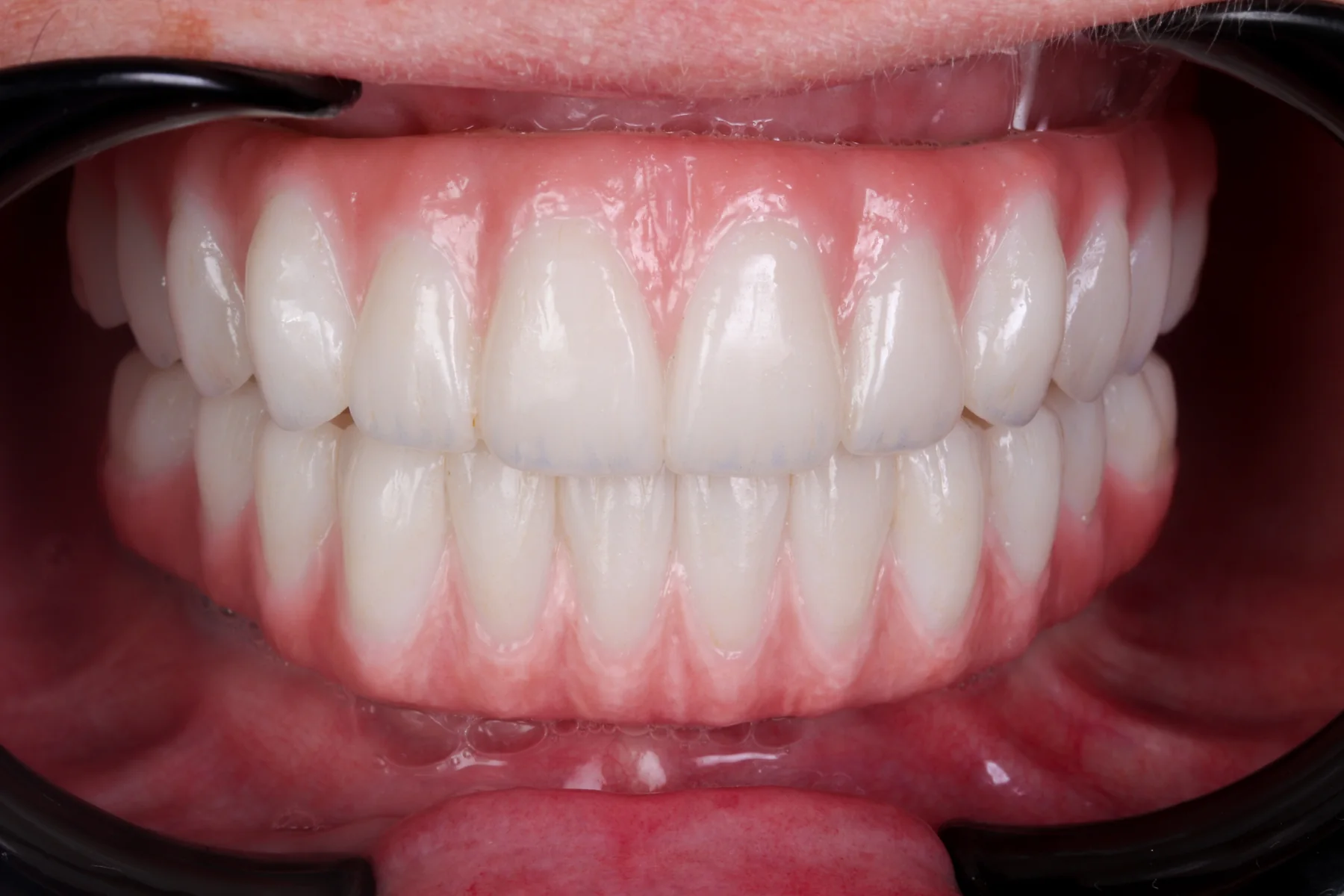
The retrospective comparison included 43 metal-acrylic arches and 31 zirconia-based arches. Delayed complications were more frequent with metal-acrylic restorations in this cohort. A chip or fracture of a single tooth was the leading minor event in both groups. More extensive tooth damage and framework fractures were among the major events. The researchers found no difference between groups for peri-implantitis or implant failure.
A practical way to compare offers
Ask what material forms the framework, what forms the chewing surfaces, which portion can be repaired separately, and what would require a remake. The research group reported higher initial fabrication costs for zirconia in its setting. A local laboratory charge, an installed bridge fee and the cost to a patient returning for a repair are distinct figures. The study compared existing clinical records, so differences between people selected for each design could also contribute to its results.