
Implant Guides
Implant Guides
Deeper guides on parts, documentation, manufacturing and repair.


Where dentists learn the details
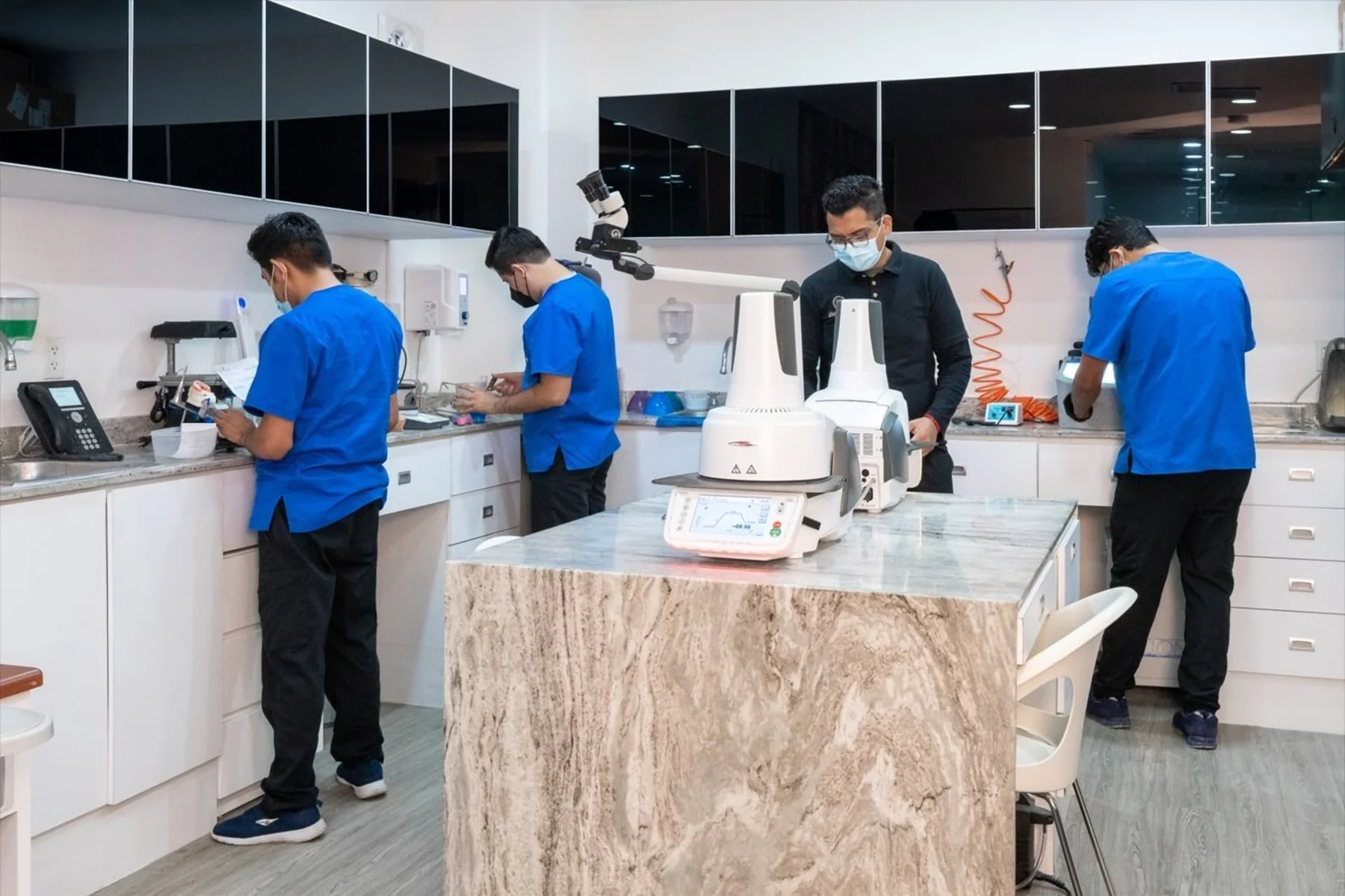
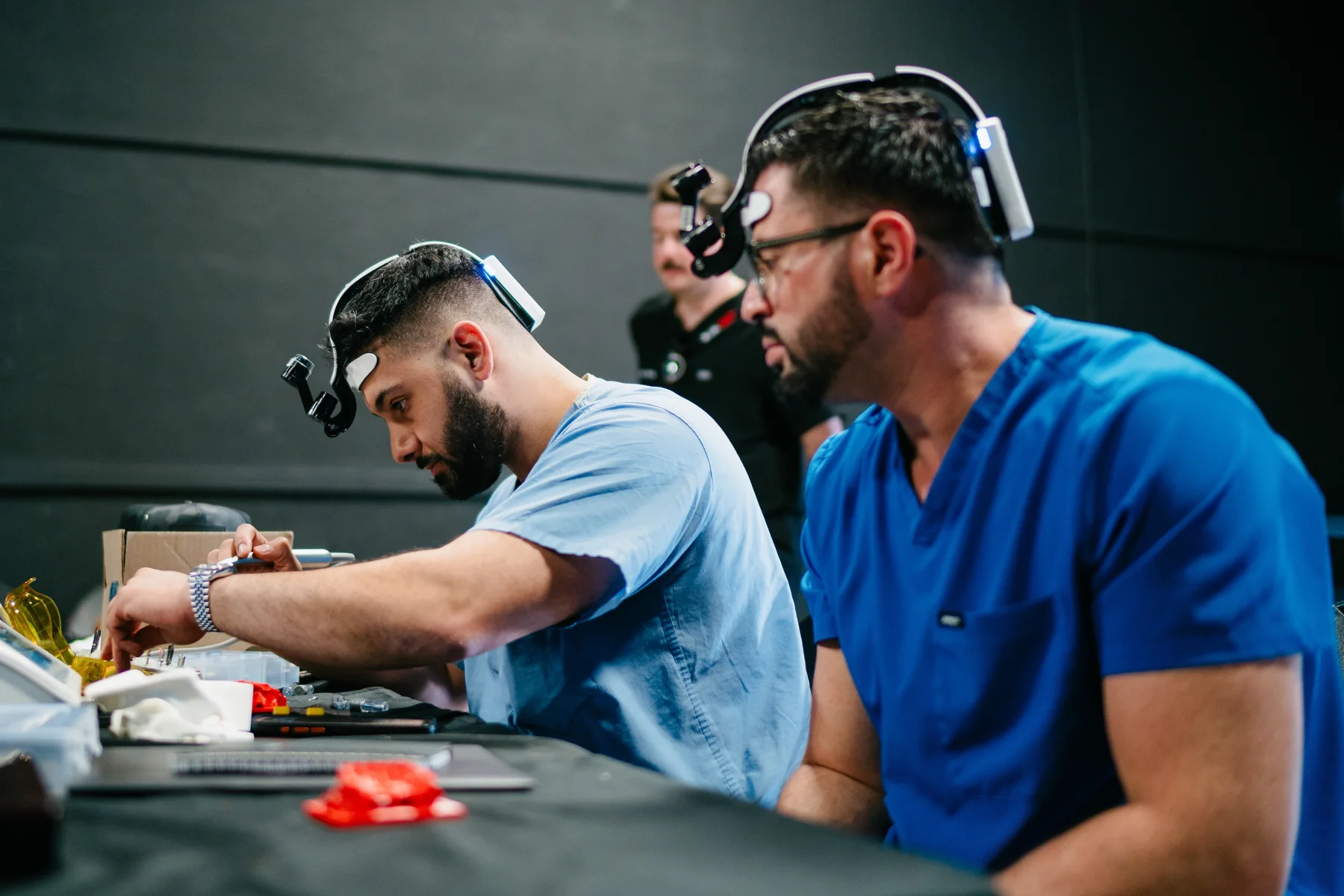
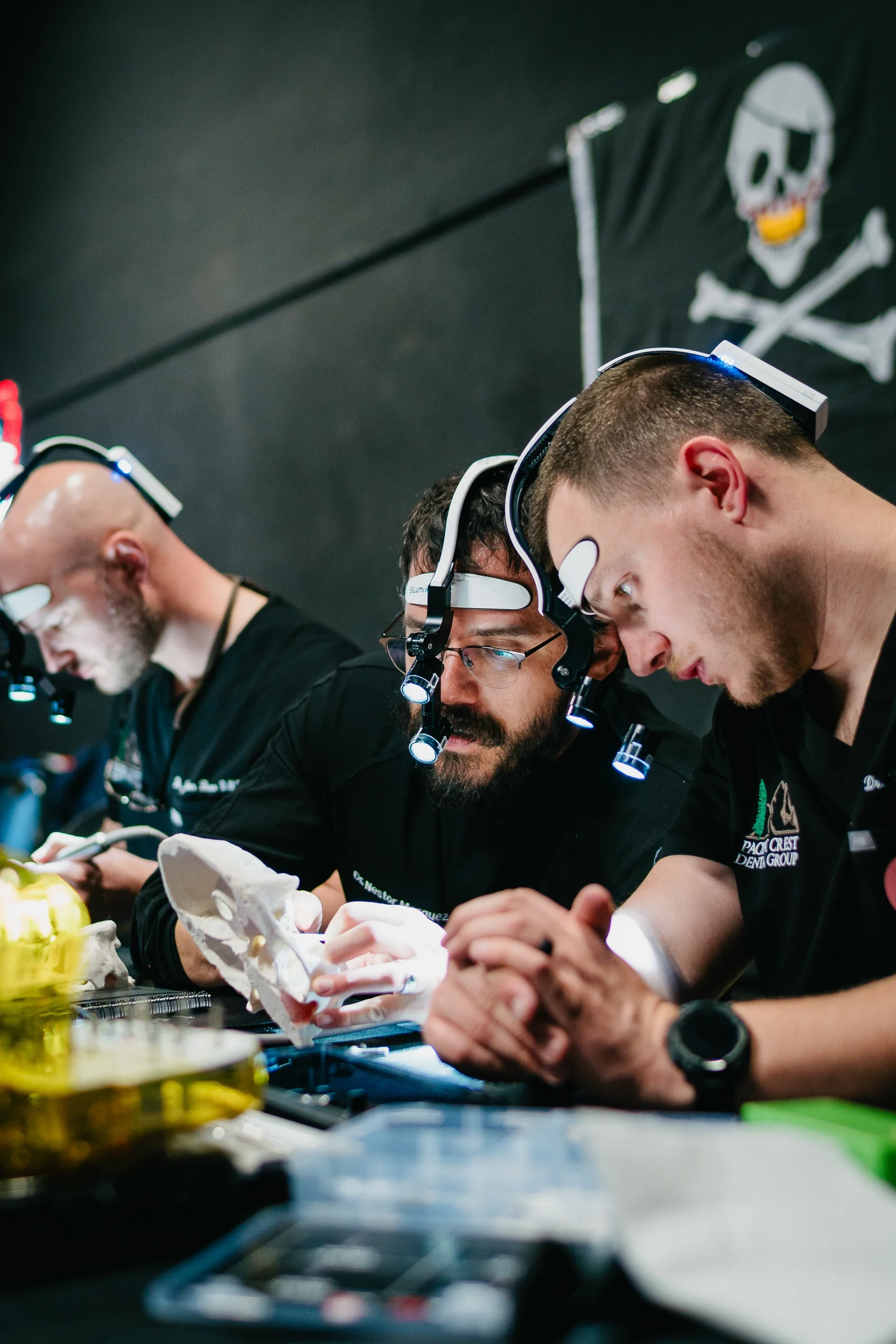
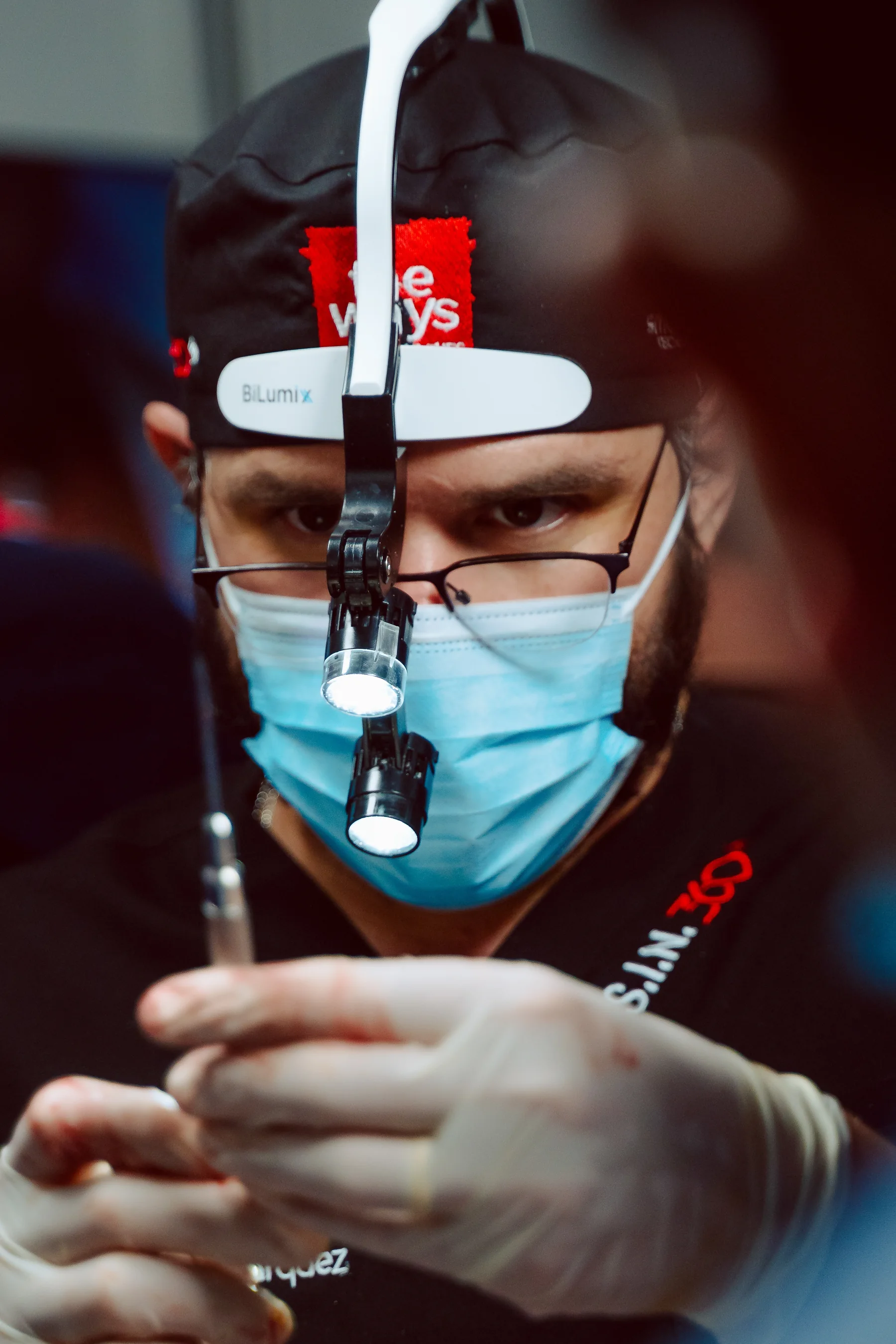
Inside Clinical Excellence, in photographs
A photographic record of consultations, diagnostic imaging, model work and surgical training from SOTA Dental and Mexico Implants.
 Implant Guides
What the implant connection tells you
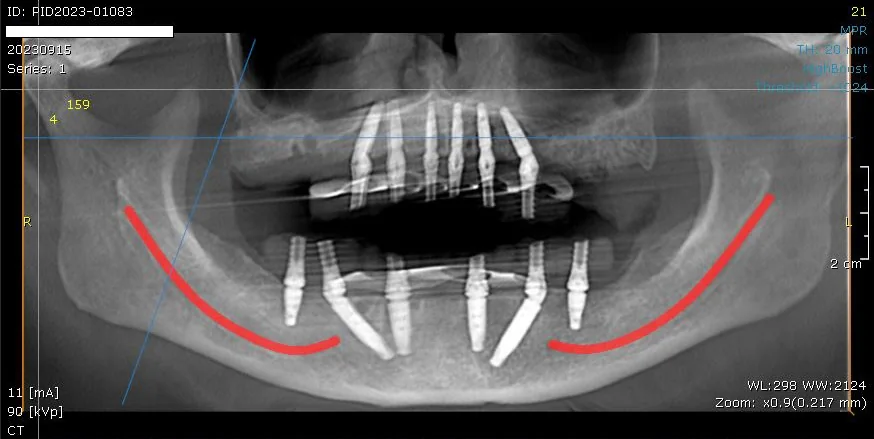
An implant connection is the joint where the restoration attaches to the implant. Knowing its shape helps explain a design. Identifying a replacement part also requires the manufacturer, system and platform.
 Implant Guides
Platform switching and the bone-level measurement
A platform-switched assembly places an abutment with a narrower base on a wider implant shoulder. This moves the junction inward. Its horizontal dimensions and the vertical height of the surrounding bone are separate measurements.
Implant GuidesTapered and cylindrical implant bodies
A tapered implant narrows toward its tip. A parallel-walled body maintains a more constant width along its main portion. The overall shape, thread design and connection at the top describe different parts of the device.
 Implant Guides
What “compatible” means on an abutment listing
An abutment sold for another manufacturer’s implant raises three practical questions. Does the exact part match the specified platform? What testing supports that combination? Which supplier would handle a claim?
 Implant Guides
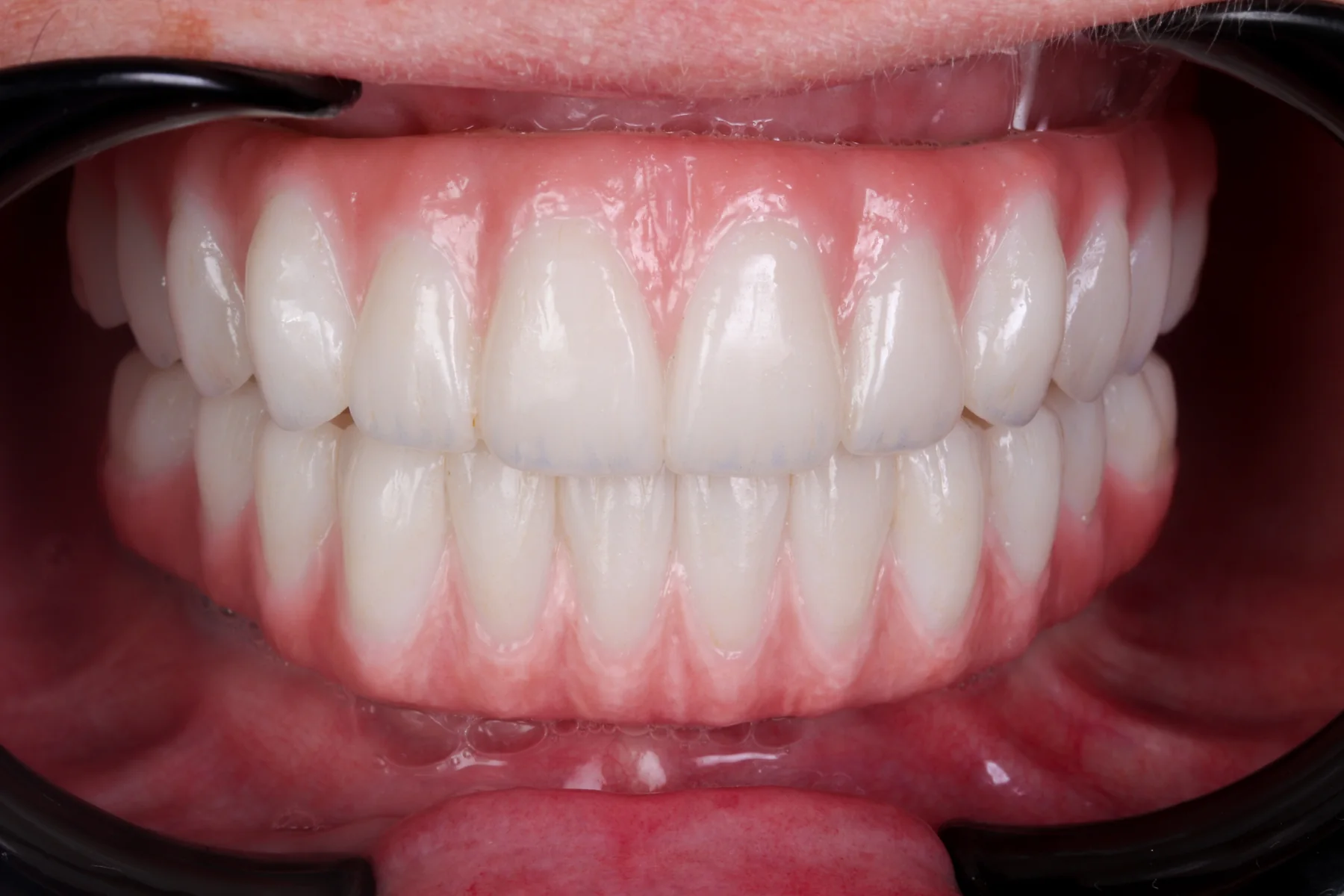
What a multi-unit abutment adds to a full-arch bridge
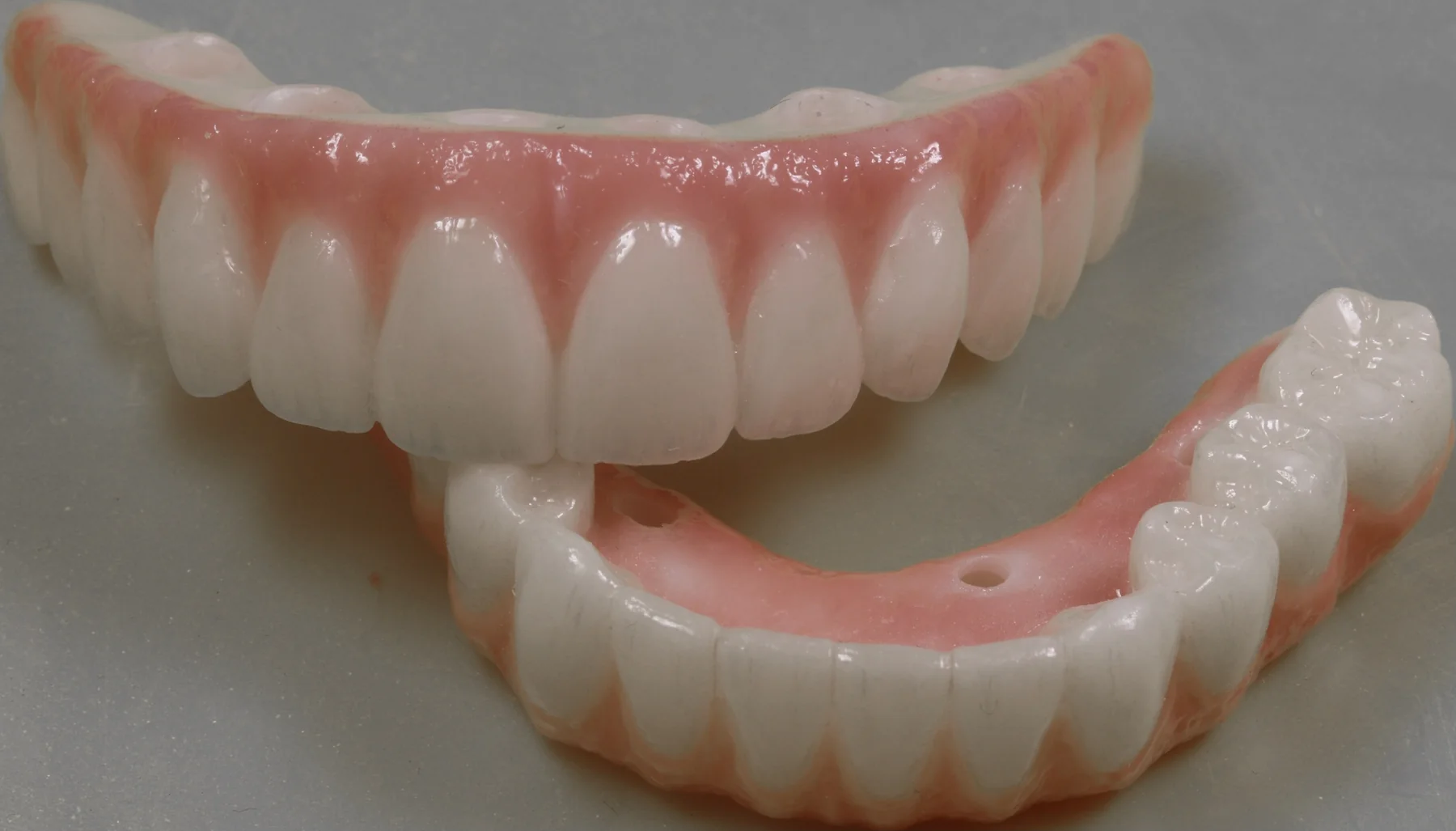
A multi-unit abutment sits between an implant and the restoration. It gives the bridge a restorative connection above the implant. “Four implants” tells you how many fixtures support the arch, while the abutments and bridge hardware describe how it is assembled.
 Implant Guides
What a digital implant file actually contains
A scan, a library file and a finished crown are different deliverables. The distinction matters when someone says the restoration can be remade digitally or that another laboratory can use the original records.
 Implant Guides
Screw-retained and cement-retained implant crowns
Retention describes how the restoration is held in place. A crown can be bonded to a titanium base in the laboratory, then secured to the implant with a screw. The presence of cement somewhere in the assembly alone does not tell you how the dentist retrieves it.
Implant GuidesReading an SLA versus SLActive surface study
In a human retrieval study, researchers examined how much newly formed bone touched two implant surfaces at different stages of healing. The size of the difference depended on which week they measured.
Implant GuidesHow to read a “made in” claim
Company history can establish where a brand began. A manufacturing claim needs a named facility, its documented activity and evidence tying that activity to the product. Each of those details can change over time.
Implant GuidesChecking a device record in the United States or Mexico
Start with the country where the device will be supplied, the name on the product label and the exact system. An entry in one country’s records answers a different question from a registration held in another.
Implant GuidesReading the numbers on an implant label
A package can carry a catalog number, a lot or batch number, and a machine-readable device identifier. They are useful for different searches. Keep a legible copy together with the tooth position and treatment date.
Implant GuidesHow to read an implant adverse-event report
A report can reveal what someone observed with a device. Counting reports in a database cannot tell you which brand has the highest failure rate, because the denominator and the reporting patterns are unknown.
Implant GuidesWhen the implant brand is missing from your records
An old crown may need attention long after the original treatment. The first useful lead is a placement or restoration record identifying the actual implant, especially if several systems look similar on an X-ray.
 Implant Guides
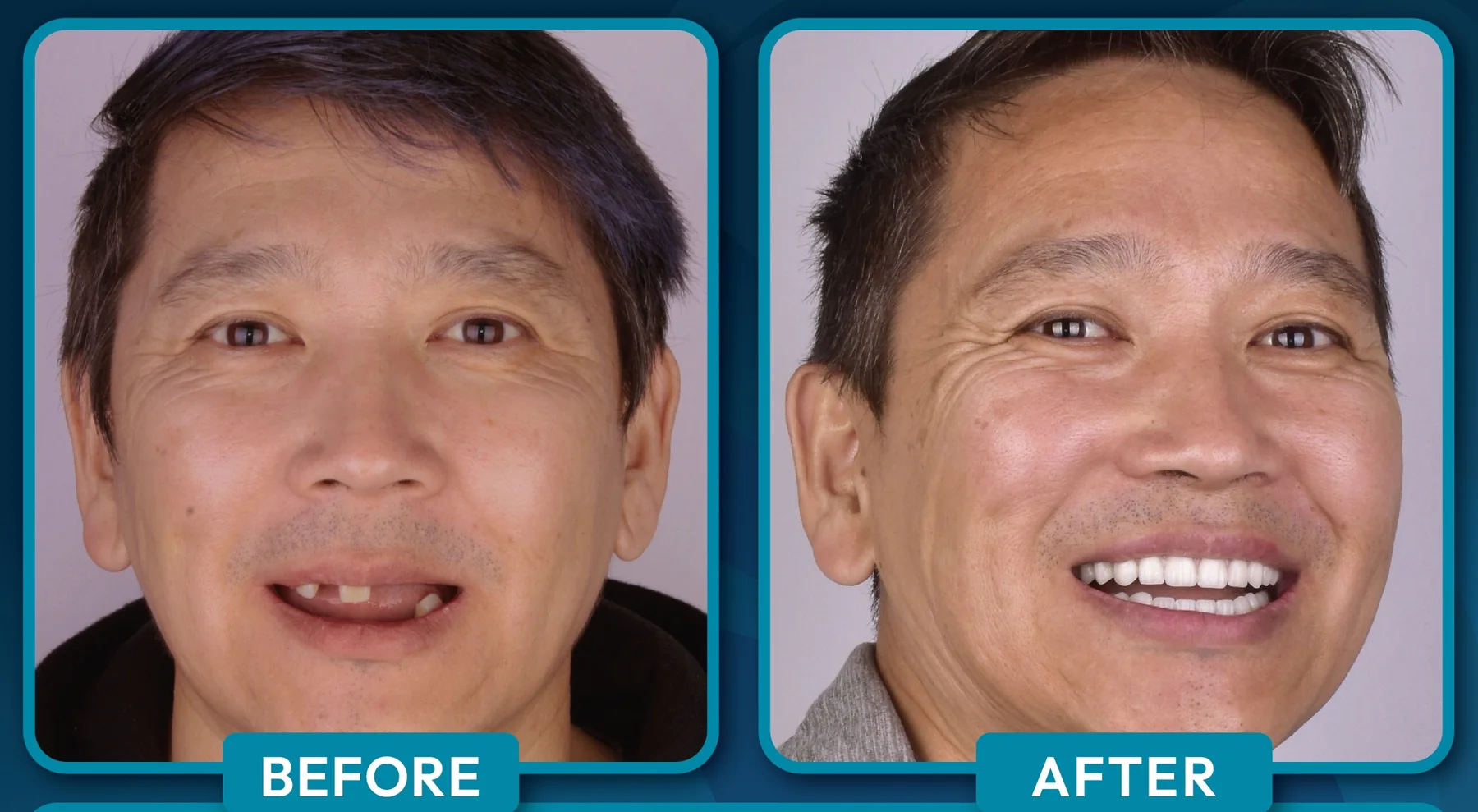
Who pays when a warranted implant part needs replacement?
A manufacturer’s replacement part can be free while a dentist’s examination, chair time or new bridge still carries a charge. Read the component warranty and the practice’s written treatment terms together before estimating what a claim would cost.
 Implant Guides
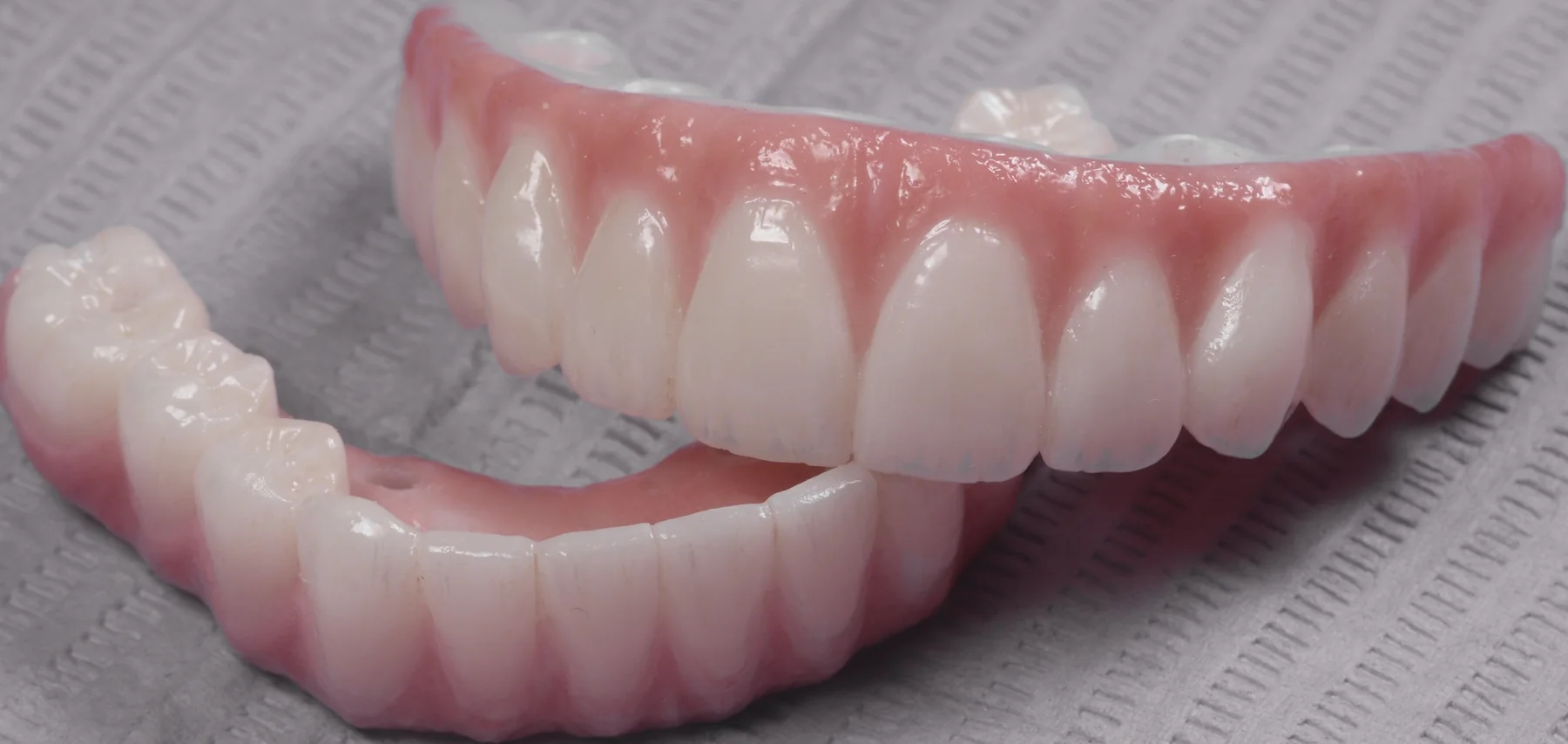
What happens at a fixed full-arch maintenance visit?
Professional maintenance includes the tissue around the implants and the bridge itself. Access for cleaning, changes from the original measurements, and mechanical problems help determine what the appointment needs to include.
 Implant Guides
Why a laboratory fee is different from the price of your implant treatment
A dental laboratory can quote for a design, a milled framework or an assembled restoration. A patient’s treatment estimate can also cover clinical assessment, surgery, appointments and fitting. Identify the buyer and the deliverable before comparing prices.
Implant GuidesSource List
Browse the dated evidence records, what each document supports and its limits.