
At a glance
| Part | What the record should identify |
|---|---|
| Implant | Manufacturer, system and restorative platform |
| Multi-unit abutment | Reference, platform, collar height and angulation if applicable |
| Bridge connection | Restorative level and corresponding component system |
| Written estimate | Included parts and any separate component charge |
Read the parts list from the bone outward
The implant body has its own connection. The selected abutment must fit it. The bridge then uses the restorative interface provided by the abutment. A record identifying the implant alone can therefore leave the later dentist with an unanswered question about the bridge side of the assembly.
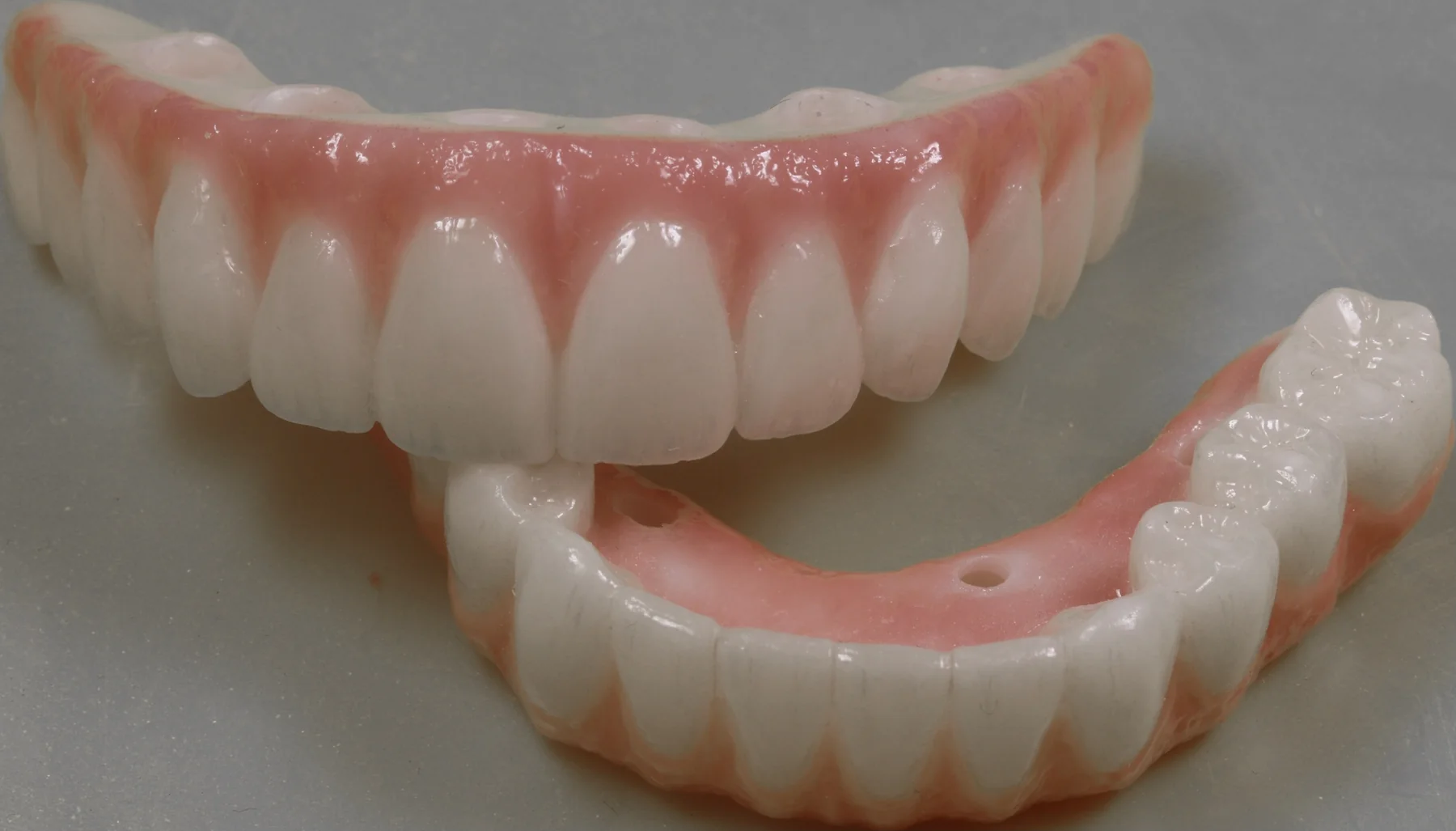
An angled component has its own specification
Nobel Biocare's June 2025 instructions list examples with different collar heights, platforms and angles. They distinguish conventional conical, tri-oval conical and tri-channel product families. An abutment's stated angle describes the component, and cannot establish the angle at which a particular implant was placed.
Compare inclusions at the same level
A list reading “four fixtures and final bridge” can still be silent about intermediate components. Ask the practice to identify the number and type of abutments, whether they are included, and the references the restoring team will retain. These details remain useful if another practice later services the bridge.