
Implant Treatments
Implant Treatments
See how implants support a single crown, a bridge or a complete arch.
Stephanie’s new smile
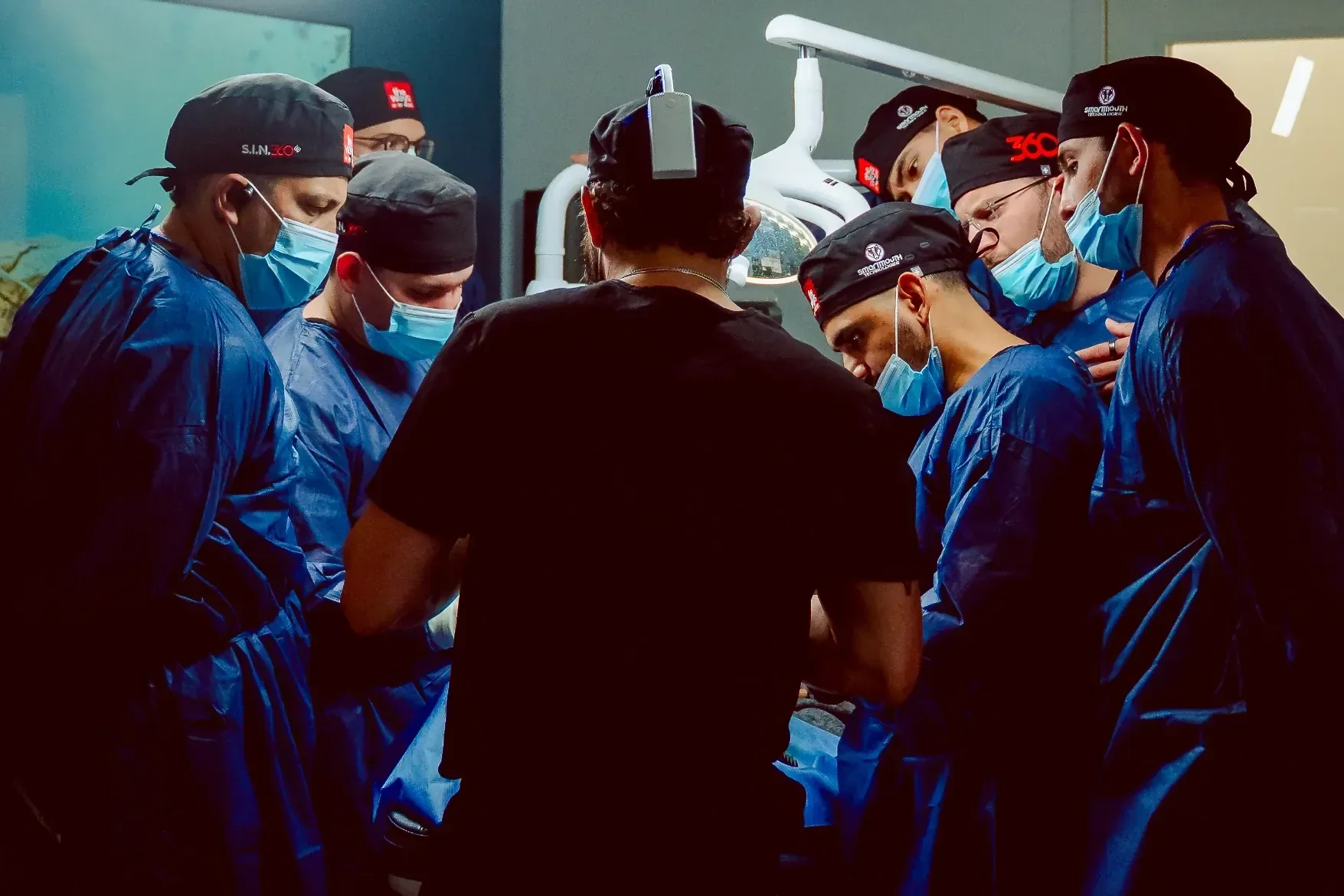
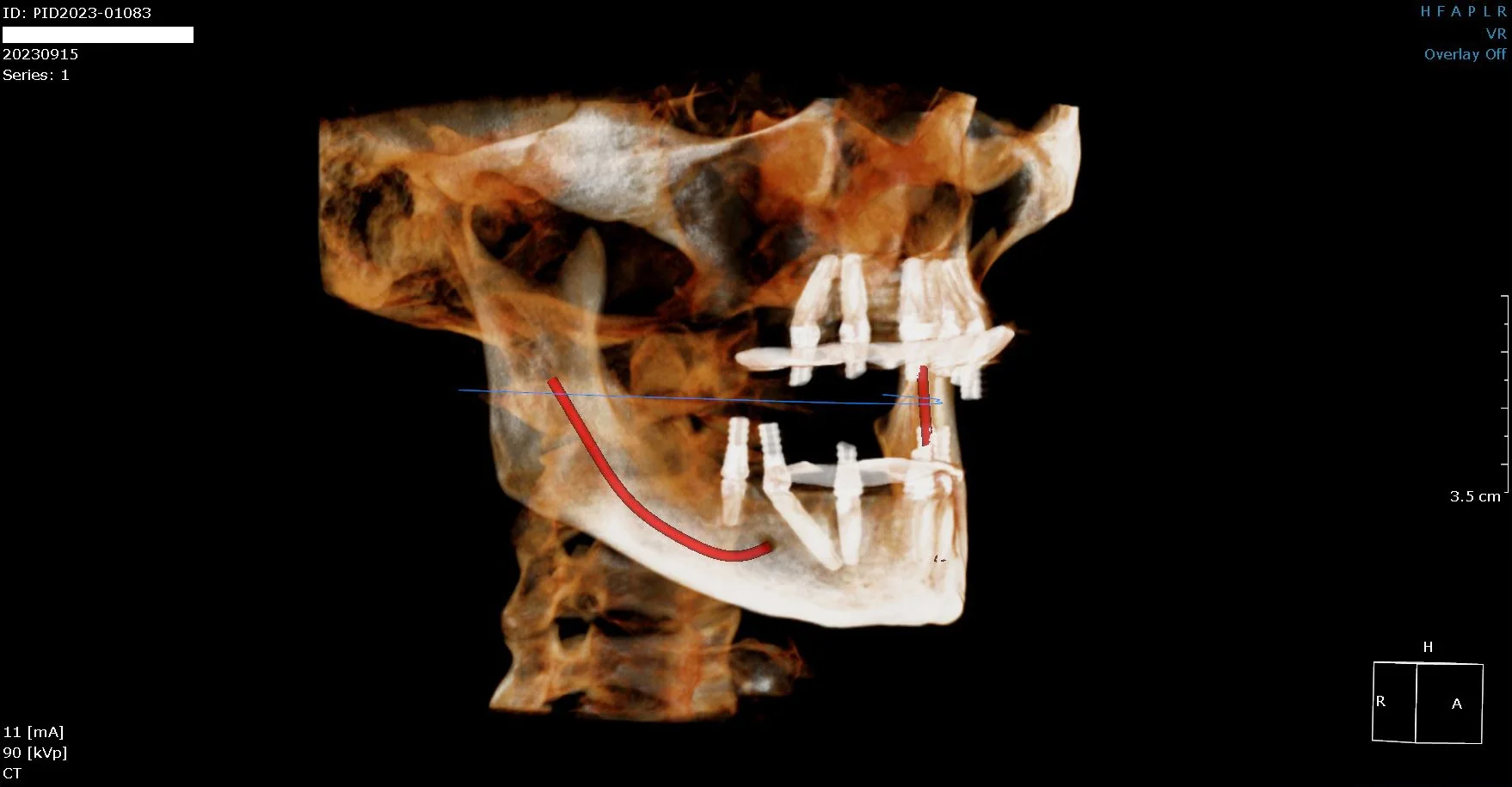
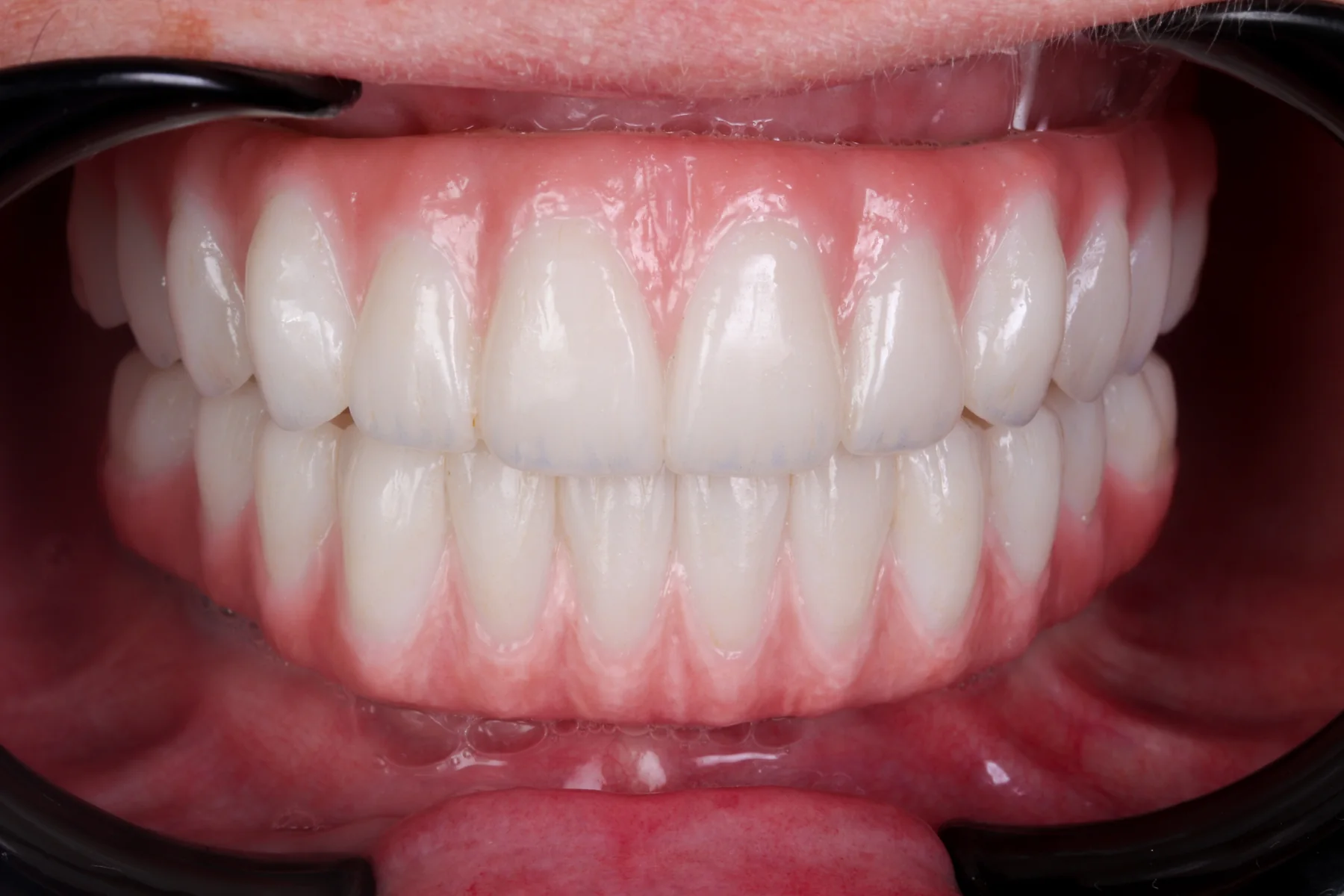
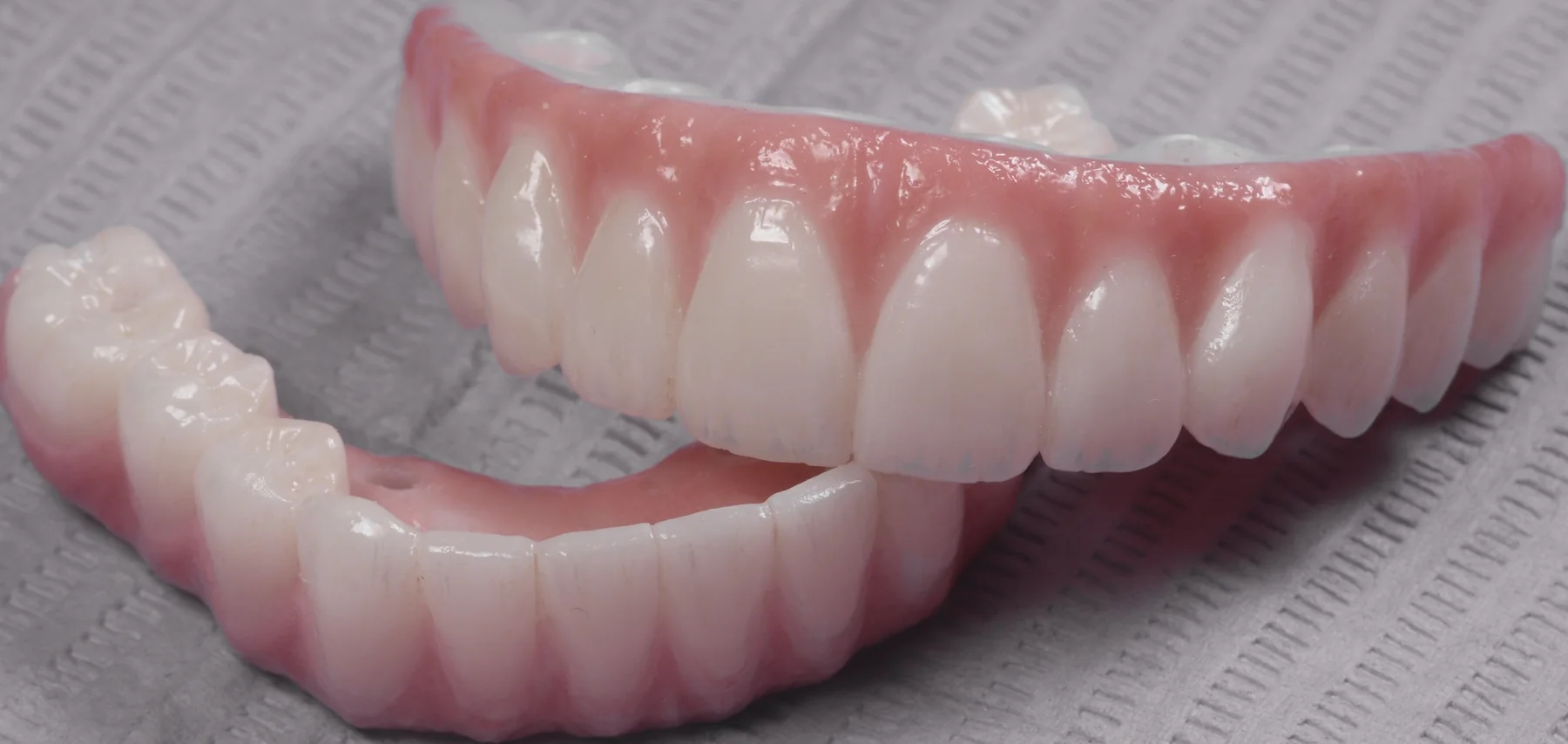
Stephanie’s upper and lower full-arch case: the face before and after, then the scan, the bridges in place and the bridges before fitting.






Explore treatments
Illustrated index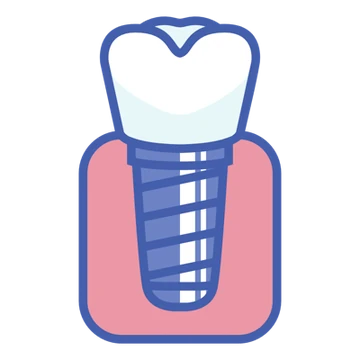
Replacing one tooth with an implant crown
A single-tooth implant restoration replaces a missing tooth with an implant body in the jaw and a crown above the gum. A quote that covers placement of the body can still leave the connecting component, crown or preparatory work to a later appointment.

Implant overdentures for the upper and lower jaws
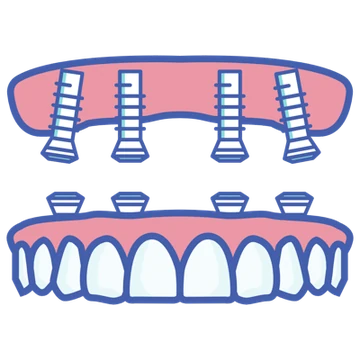
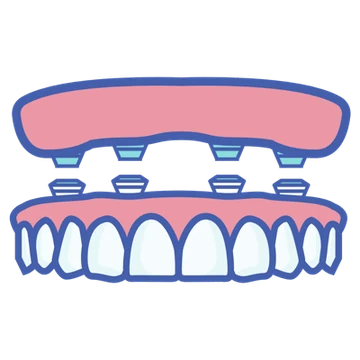
An overdenture is a removable set of replacement teeth held in place with help from implants. A patient can take it out for cleaning. The evidence on the number of implants differs by jaw, and it also depends on whether the study measured patient comfort, implant loss or denture repairs.
Short implants in the back of the upper jaw
When the sinus leaves limited bone above an upper back tooth, a short implant can change the treatment plan substantially. One ten-year trial directly compared a 6 mm implant supporting a single crown with a longer implant placed alongside sinus grafting.

Narrow-diameter implants for a small tooth space
“Narrow” describes the fixture’s width. It can refer to a small implant under an upper lateral incisor, a component used to retain a denture or several other designs. A useful record gives the diameter in millimeters and identifies the tooth or prosthesis it supports.
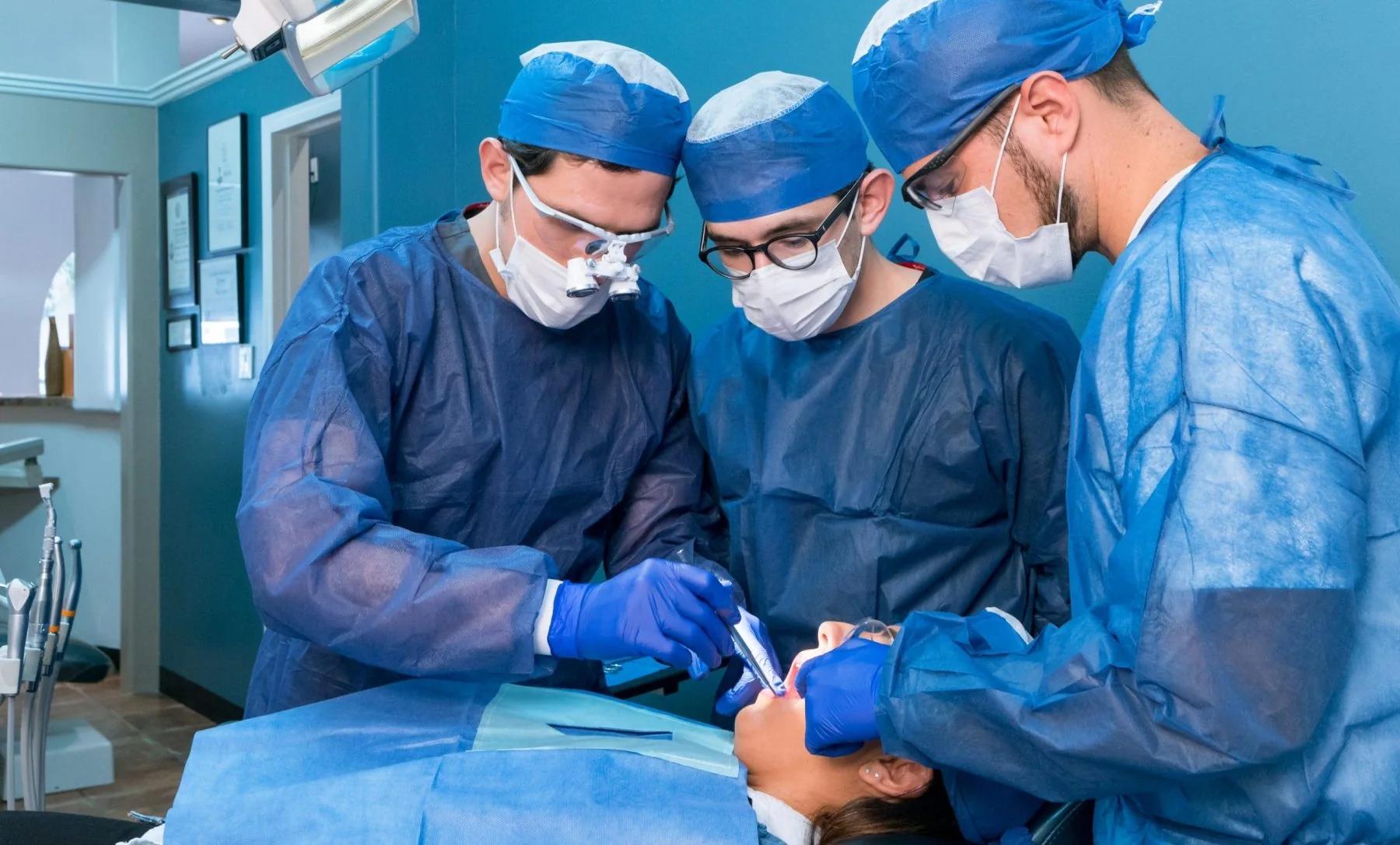
Zygomatic implants for a severely deficient upper jaw
A zygomatic implant obtains anchorage in the cheekbone to help support teeth when the upper jaw has severe bone deficiency. A specialist assessment connects the anatomical problem with the proposed bridge, the condition of the sinuses and alternatives for reconstruction.
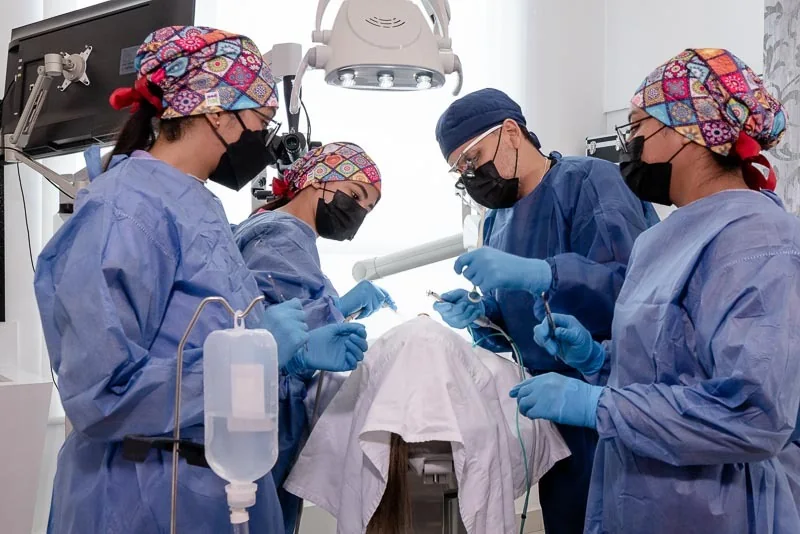
Pterygoid implants as rear support for an upper bridge
A pterygoid implant seeks anchorage in bone behind the upper jaw to provide posterior support. The name describes an anatomical destination. A treatment plan still needs to specify what bridge the implant supports and what other implants complete the reconstruction.
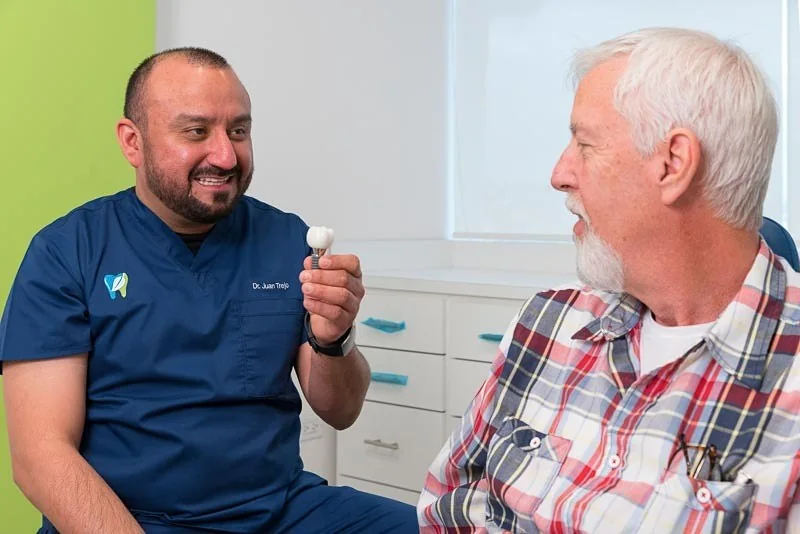
Segmented full-arch bridges and the 3-on-6 design
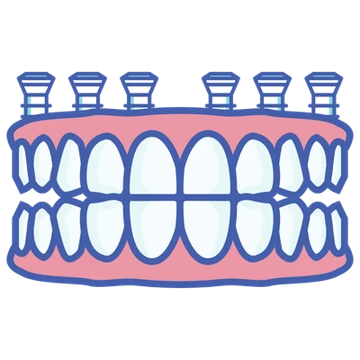
A fixed set of teeth can be made as one continuous bridge or as several shorter sections. Counting six implants does not tell you how many bridges the laboratory is making, whether the design replaces gums as well as teeth or how a section can be serviced.
Printed and milled temporary full-arch bridges
A provisional bridge can provide fixed teeth while the team assesses healing, tooth position and function before making the definitive restoration. A temporary bridge’s manufacturing method and its role in this stage are separate details worth recording.
Zirconia and metal-acrylic definitive full arches
The phrase “final teeth” can describe different assemblies. A framework carries the bridge, the visible teeth provide the chewing surface, and some designs also replace lost gum. Understanding each layer makes repair options and price differences easier to compare.

Bar and stud attachments for removable implant dentures
An overdenture can connect to individual attachments or to a bar joining several implants. The denture comes out for cleaning in either design. The connecting hardware changes the space required, the parts to maintain and the evidence that applies to the plan.

Socket preservation after a tooth extraction
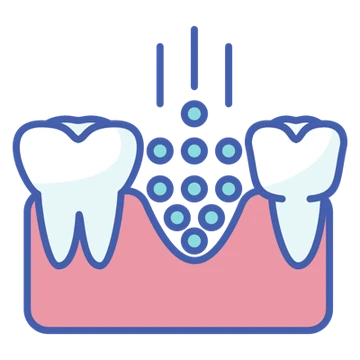
Socket preservation aims to limit the change in the jaw ridge as an extraction site heals. The immediate clinical question is how much space and bone shape can be retained for a later restoration. Whether an implant survives years later is a separate outcome.
Bone graft materials and barrier membranes
Two items can appear on a bone-graft estimate: material for the defect and a membrane to protect an area as it heals. They perform different jobs. The amount of material purchased does not, by itself, establish how much new bone will be available for an implant.
Sinus floor elevation before or with an upper implant
In the posterior upper jaw, the maxillary sinus can limit the height of bone available for an implant. A sinus elevation changes the space available beneath the sinus lining. Two approaches can appear on a treatment plan, and their indications and treatment stages need to be read together.
When an implant is placed after extraction
A tooth can be removed and an implant placed on the same day, during early healing or once the site has healed. The date of implant placement and the date at which a tooth is attached have different clinical meanings. A proposed timeline should show both.
Guides, navigation and robotic assistance in implant placement
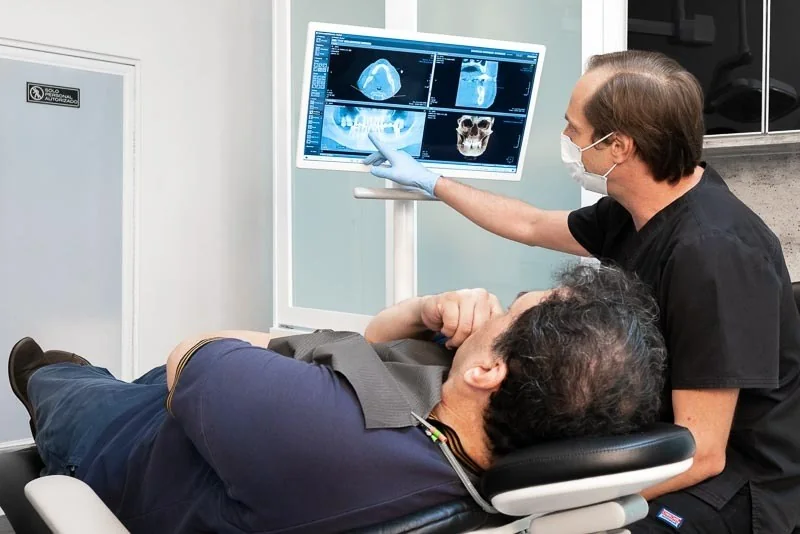
Guided implant surgery can use a physical template, live tracking or a robotic system. They are different ways to translate a planned position into treatment. The quality of the result also depends on the initial plan, the patient’s anatomy and the subsequent restoration.
Replacing three adjacent teeth with an implant bridge
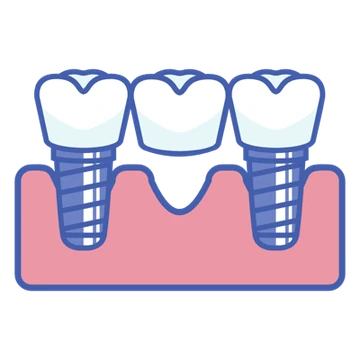
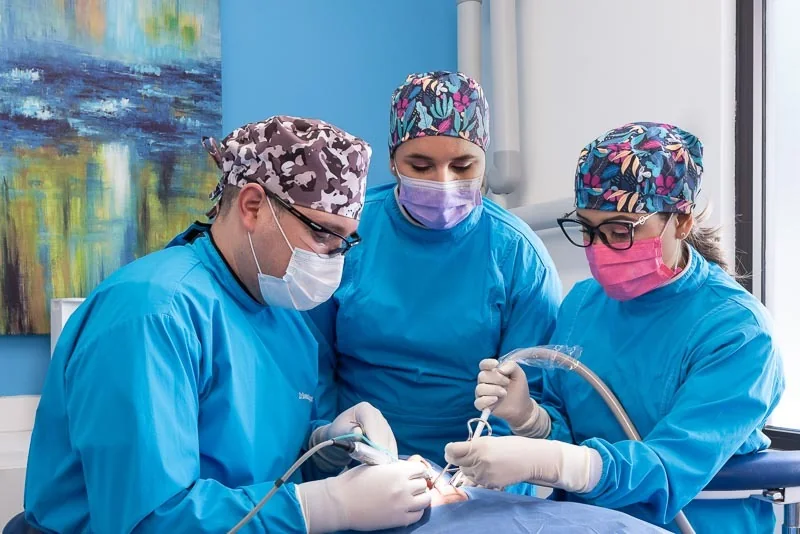
A three-unit bridge contains three joined tooth units. In a common design, two implants support the end units and a replacement tooth spans the space between them. The number of visible teeth, implant bodies and abutments are three separate entries on a treatment plan.
A cantilever tooth on an implant bridge
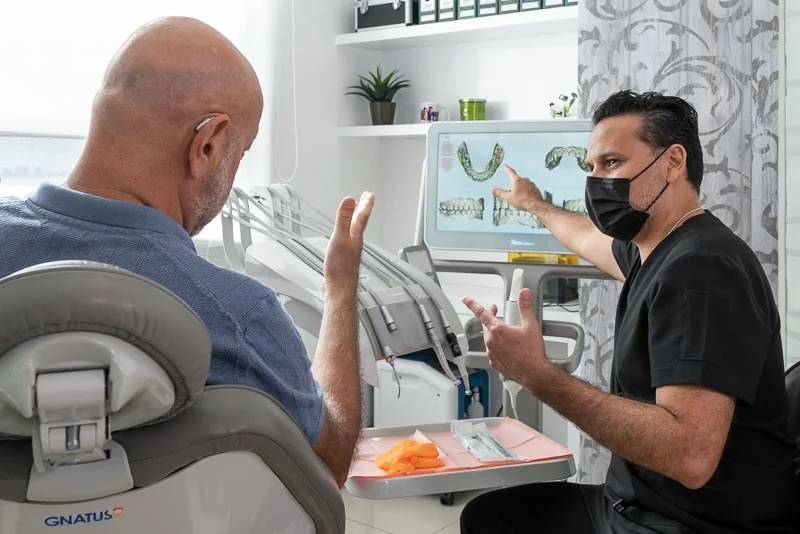
A cantilever is a tooth unit extending beyond the last support. It differs from a pontic situated between two supports. This distinction helps explain why two plans replacing the same pair of teeth can have different implant counts and different maintenance considerations.

Lip support, smile line and space for full-arch teeth
Two patients missing all their upper teeth may need different amounts of tissue replacement. The proposed teeth have to occupy a useful position for appearance and speech. The restoration must also address the space between those teeth and the remaining jaw ridge.