
Treatment illustration
At a glance
| Item on plan | How it changes the comparison |
|---|---|
| Jaw and side | Identifies the actual sinus site |
| Lateral or transcrestal | Specifies the proposed approach |
| Same visit or staged | Changes appointment sequence |
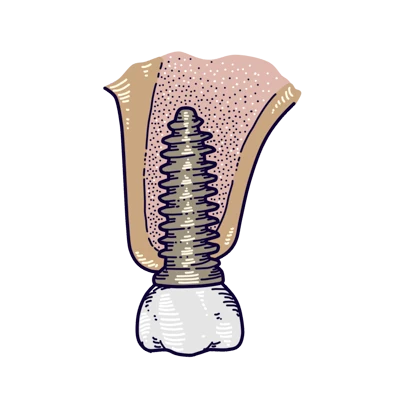
| Crown and abutment | Separate components in the completed restoration |
How the two approaches are named
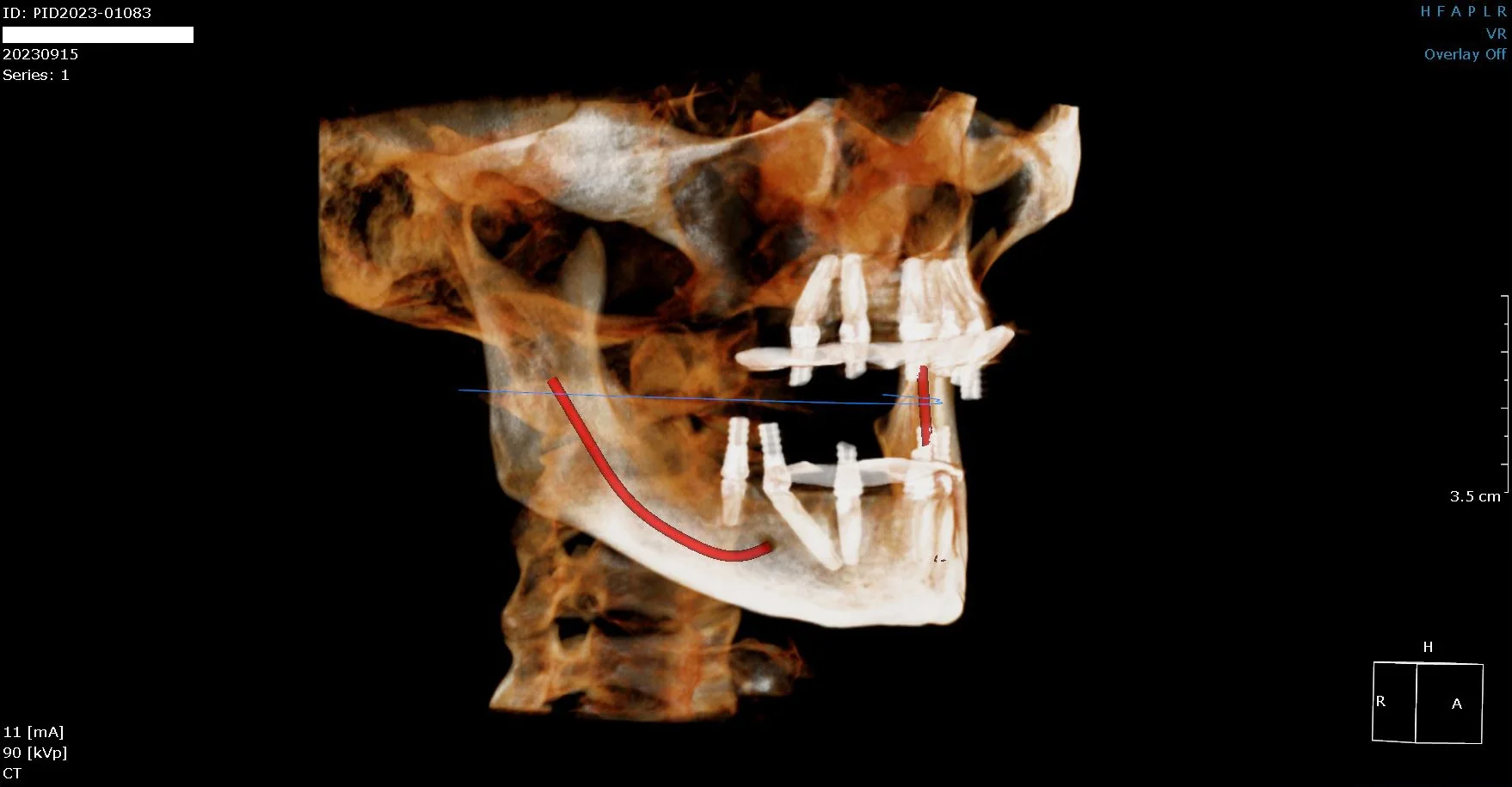
A lateral approach reaches the site through the side of the upper jaw. A transcrestal approach reaches it from the ridge where the tooth is to be restored. The choice depends on the anatomy and the proposed restoration. Ask to see the relevant region on the scan and have the team identify the remaining bone, the intended implant site and whether placement is planned at the same visit.
A six-year comparison in a defined group
An extension of a randomized trial examined sites with 3 to 6 mm of residual bone where implants had been placed at the same time as elevation. Forty-three of the 54 eligible participants attended the six-year visit. All implants in those returning participants survived. Some radiographic measures differed between approaches, and the distribution of peri-implant health or disease did not differ significantly. These observations apply to that selected group and protocol.
How to compare a grafted and a nongrafted proposal
A short implant may be considered in some posterior upper sites, depending on the measured anatomy and restoration. Ask which option each surgeon considered and which evidence addresses your type of tooth replacement. Check that any quoted fee identifies the side, graft material, implant timing and follow-up. A fee for elevation alone does not price the abutment and eventual crown.