
Treatment illustration
At a glance
| Stage | What to confirm in writing |
|---|---|
| Assessment | Examination and imaging included or separately charged |
| Preparation, if needed | Extraction or graft, indication and fee |
| Implant placement | Implant body, system, and surgical fee |
| Restoration | Abutment, temporary tooth if planned, and final crown |
| Aftercare | Follow-up arrangements and person responsible for repairs |
Read the proposal from the visible tooth down
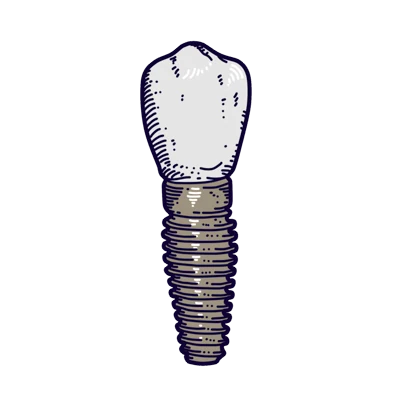
Ask which crown is planned and how it connects to the implant. The abutment is the connector in a typical two-piece design. Identifying both the crown material and the exact implant system helps you distinguish a change in appearance from a change in the device in bone.
Map the proposed appointments
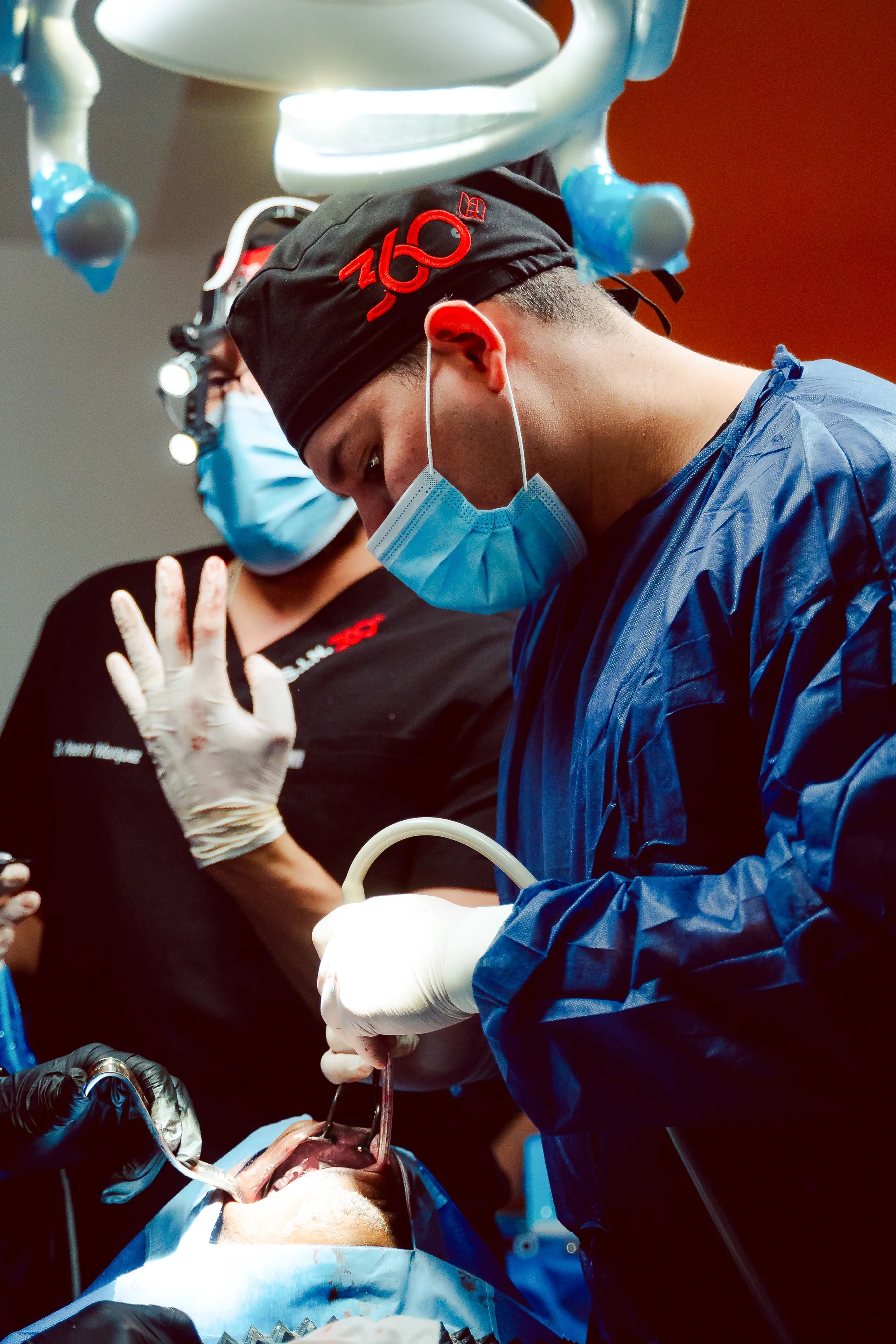
Guy’s and St Thomas’ describes assessment, possible bone grafting, implant placement and restorative appointments in its patient pathway. The restorative stage includes impressions and checks that the replacement fits. An individual plan can follow a different schedule. Ask what you will wear during healing and when you should expect to return for the definitive crown.
Compare the complete replacement
Ask whether keeping the existing tooth is feasible if extraction has been proposed. For an already missing tooth, ask about the alternatives in your case. With implant quotes, identify the currency, tooth, stage and component on each charge. Record optional charges separately and ask how a change in the treatment plan is approved.