
At a glance
| Term | What to discuss at the try-in |
|---|---|
| Smile line | What shows when speaking and smiling |
| Transition line | Where prosthetic tissue meets natural tissue |
| Lip support | How the tooth setup and gum replacement affect facial support |
| Restorative space | Room for teeth, framework and hygiene access |
Why the visible smile includes more than teeth
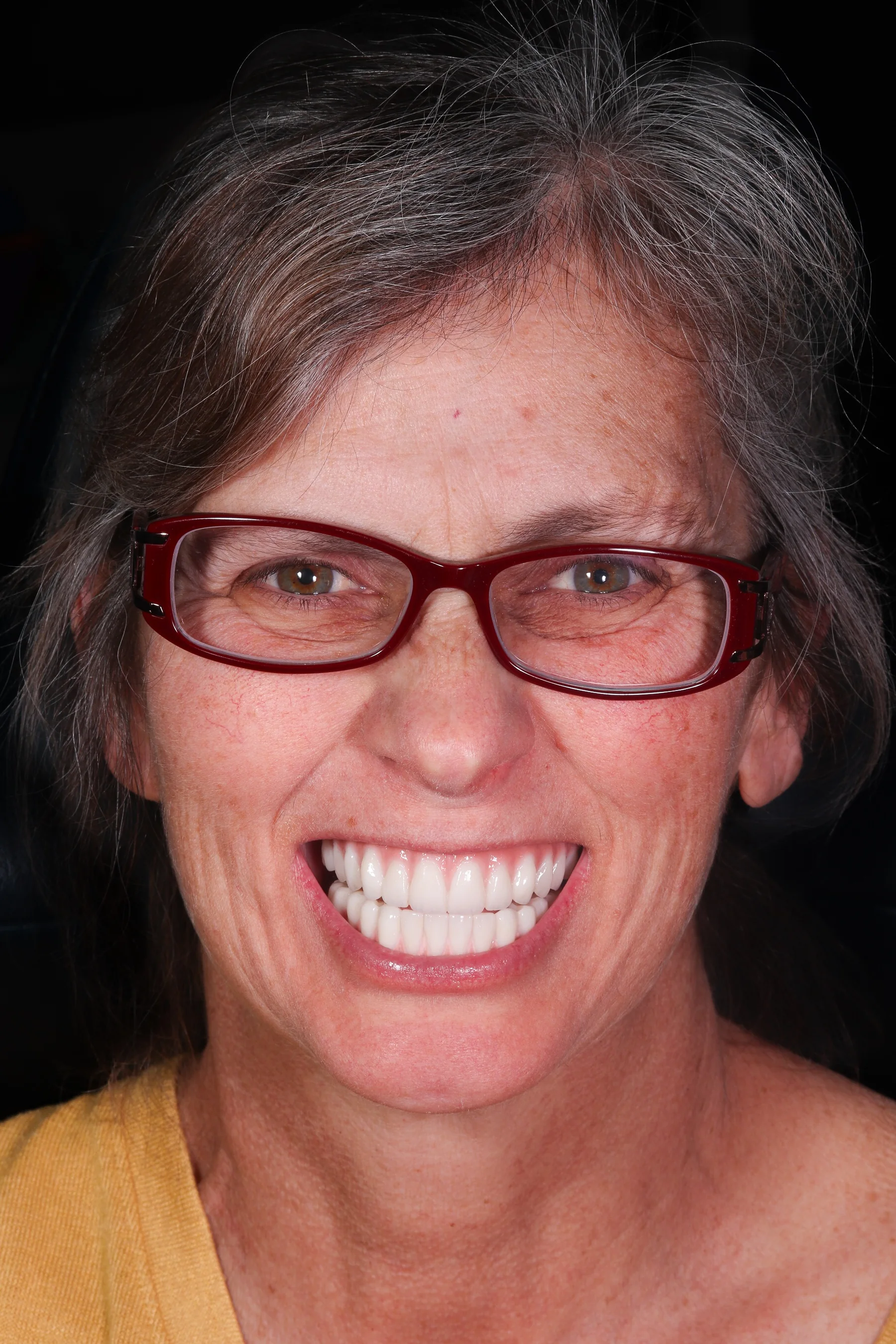
The upper lip and smile line influence how much of the tooth, gum and transition to the prosthesis can be seen. When substantial ridge volume has been lost, simply making longer teeth can produce a different appearance from replacing lost gum volume. Ask to see where the transition will sit when talking and smiling naturally. The visible result is a property of the entire design, not a feature guaranteed by implant count.
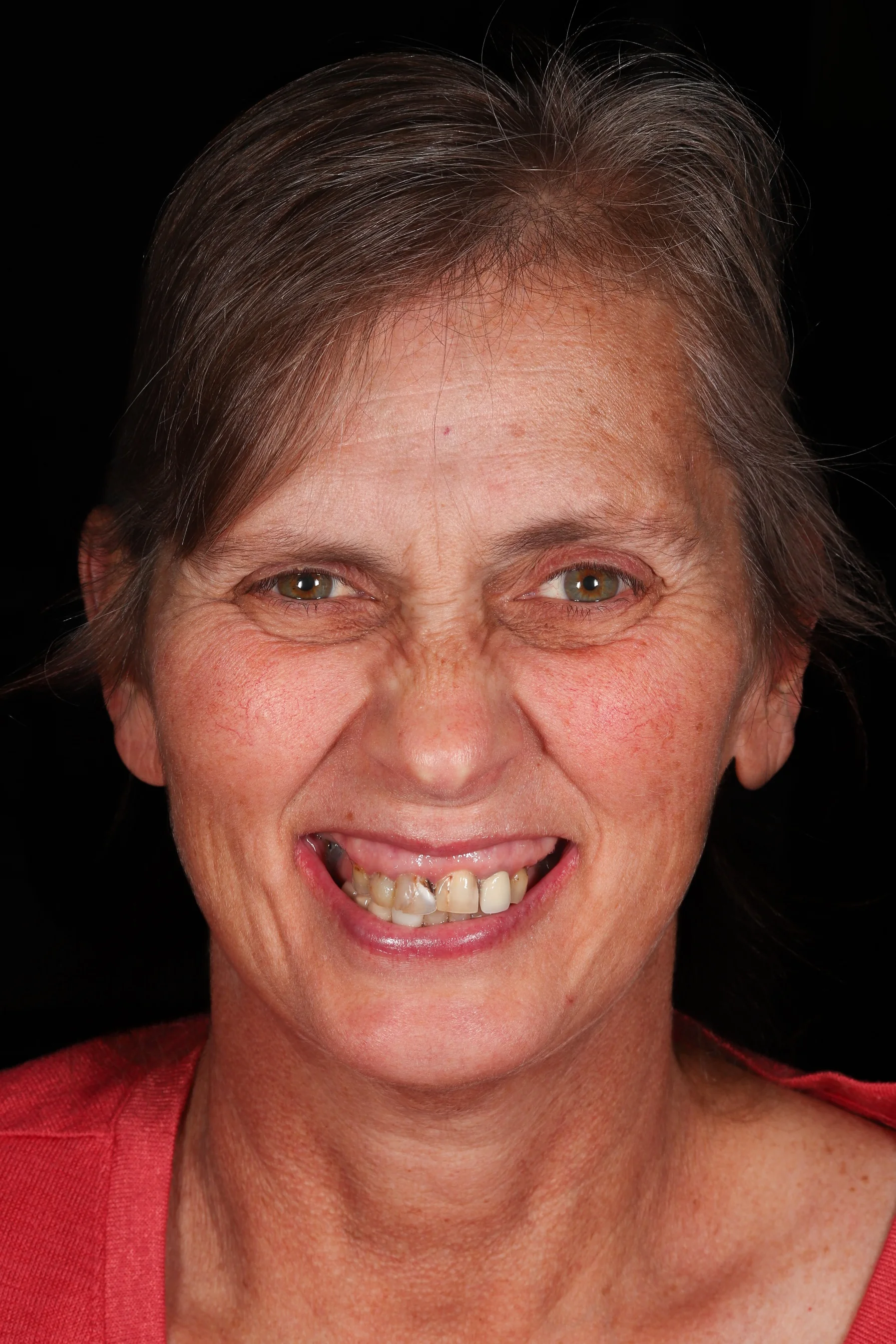
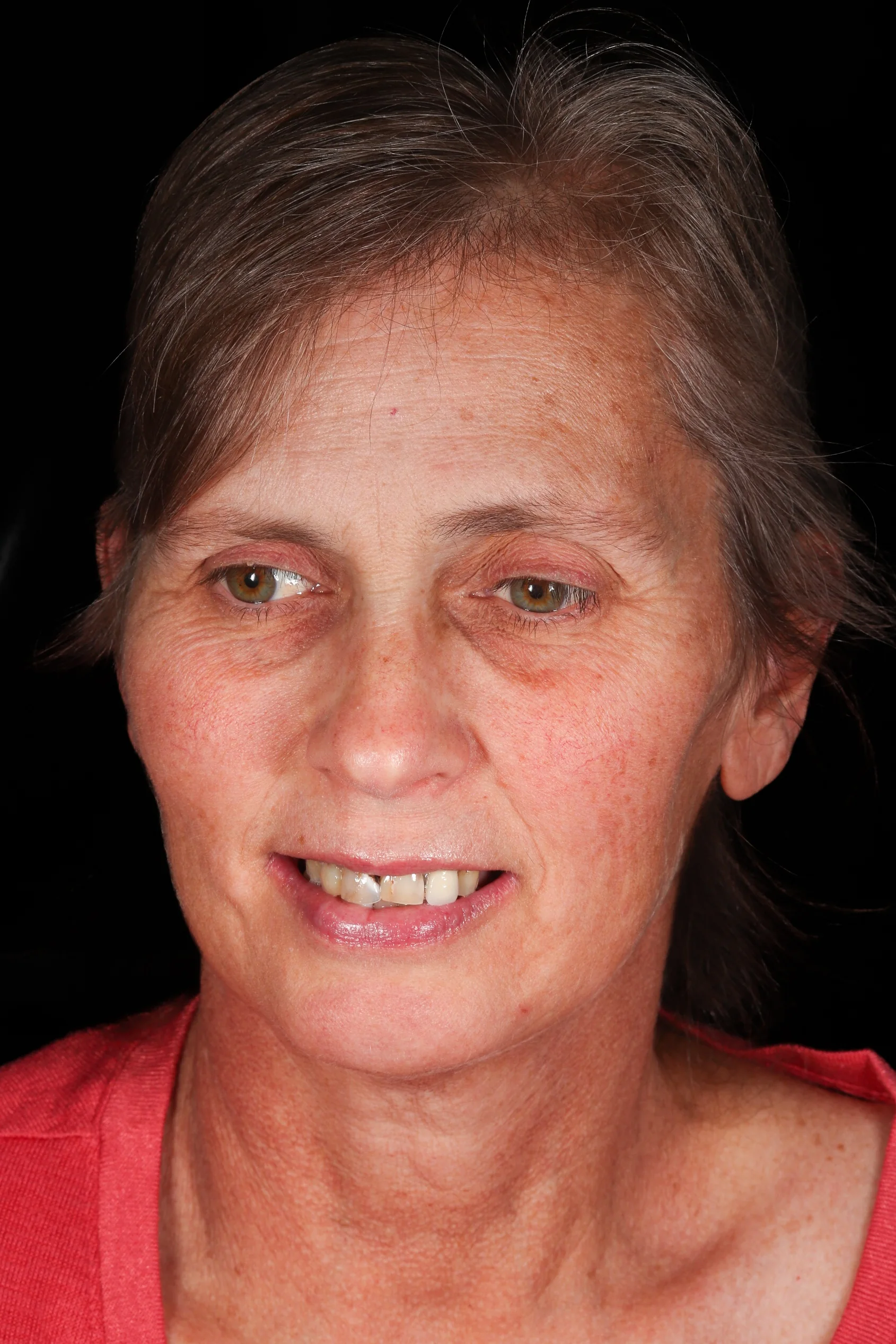
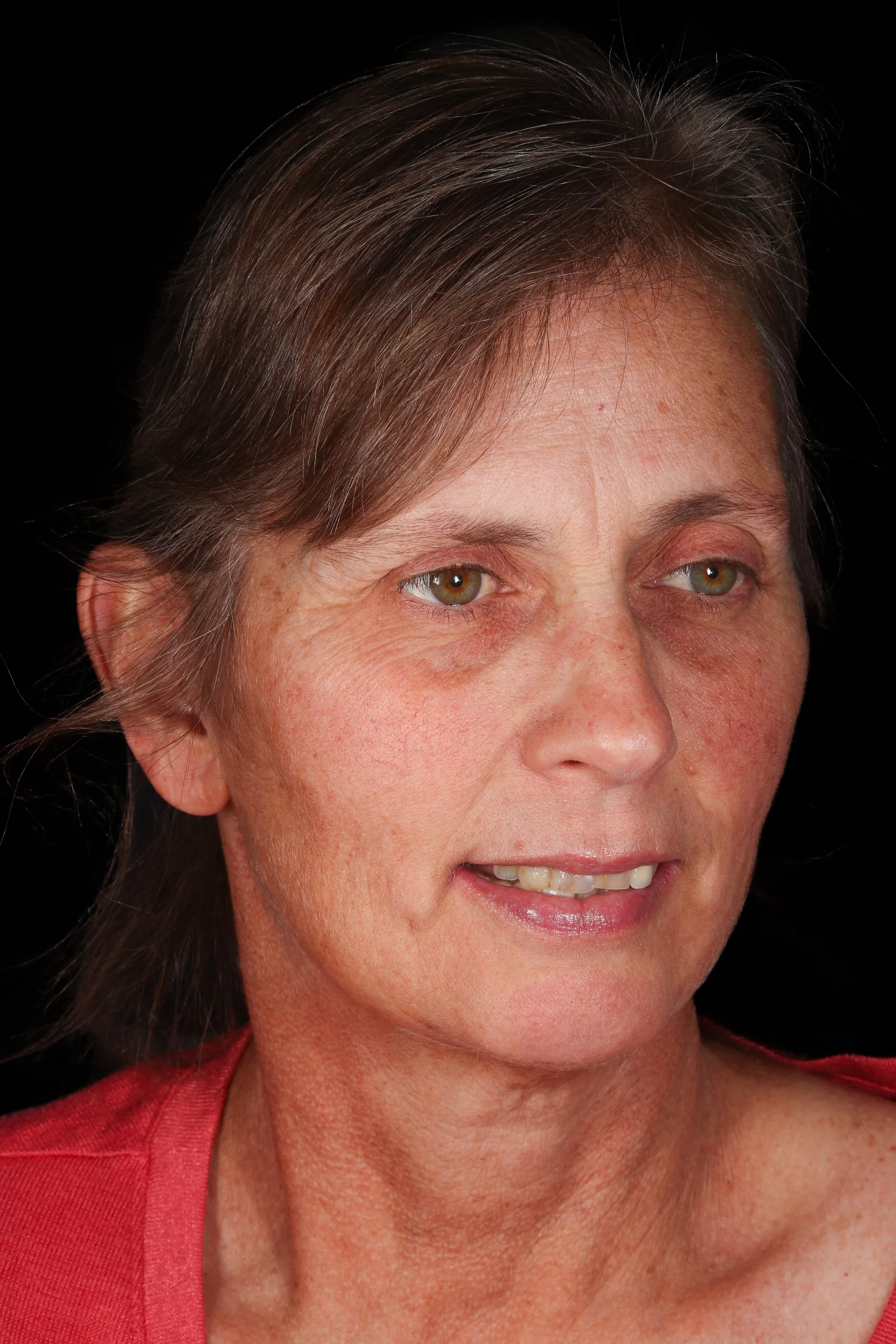
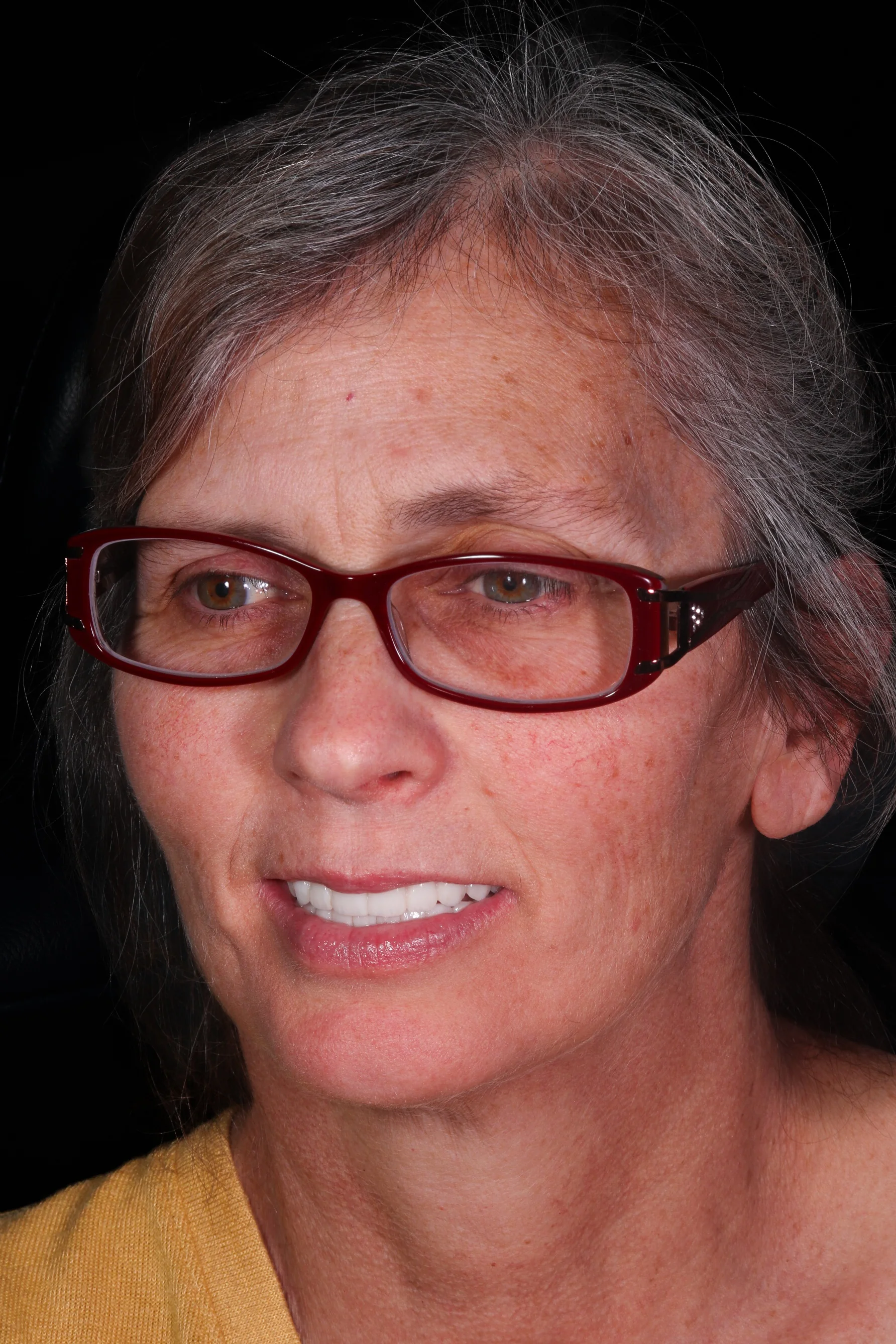
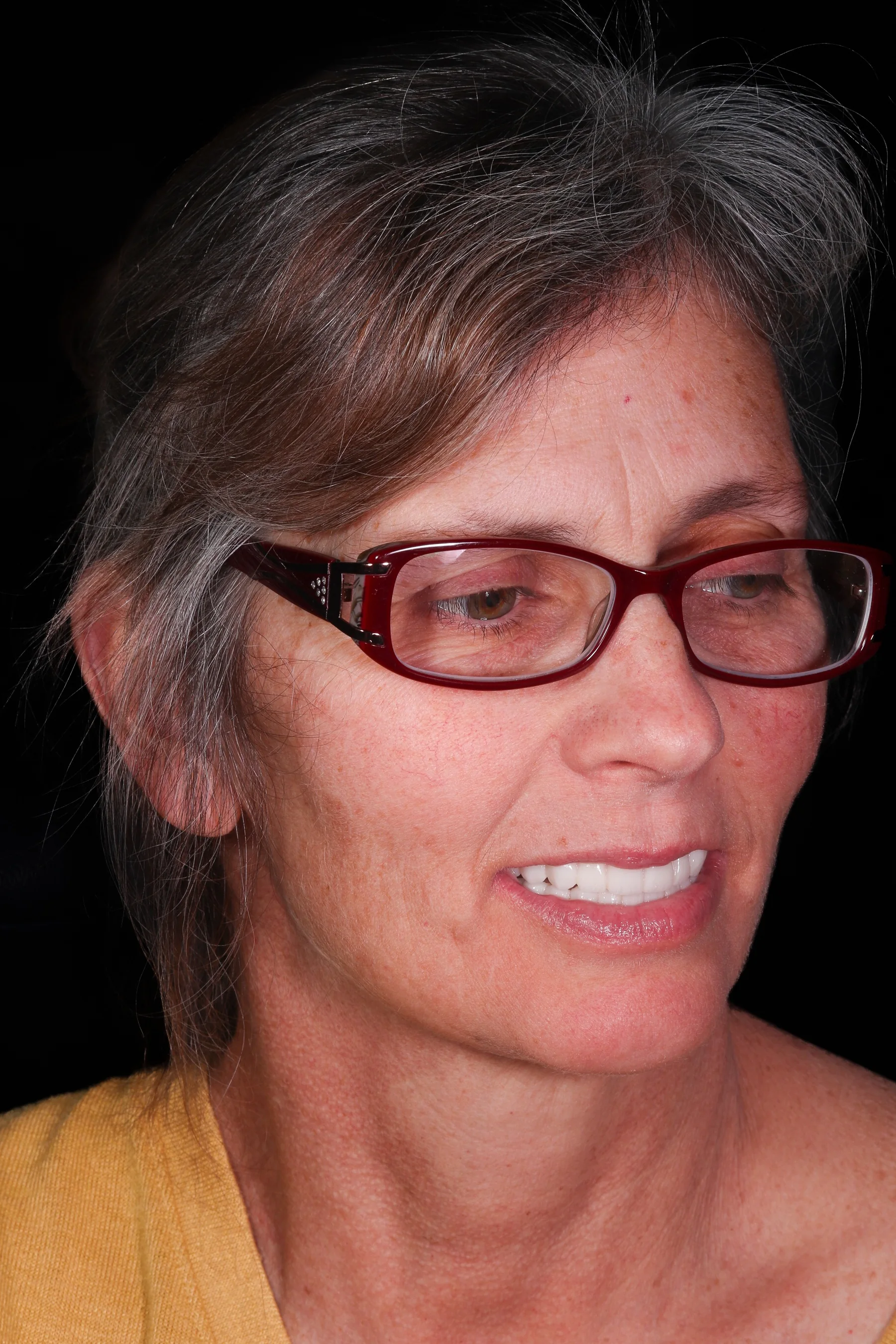
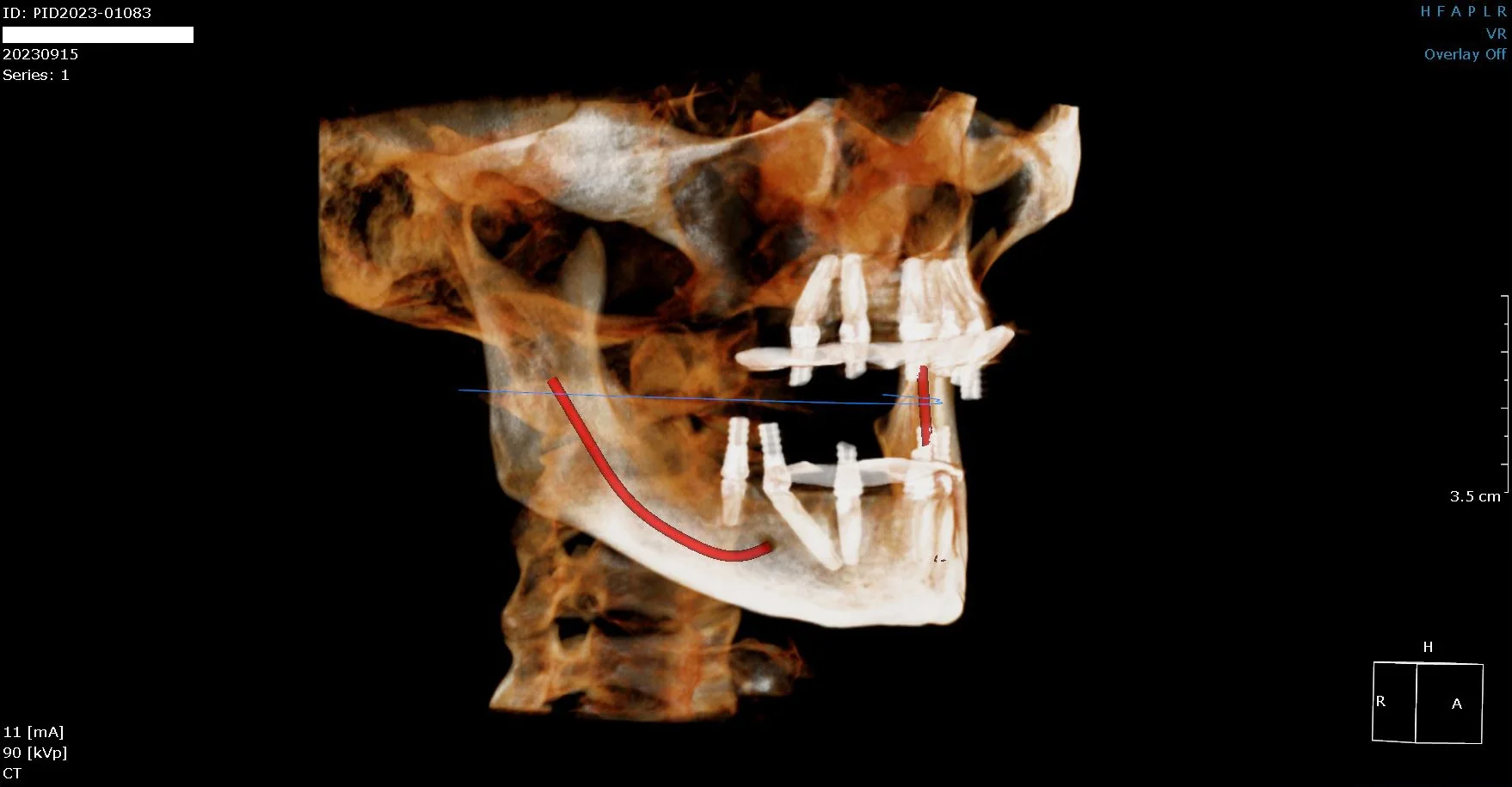
Stephanie’s new smile
Stephanie’s upper and lower full-arch case: the face before and after, then the scan, the bridges in place and the bridges before fitting.
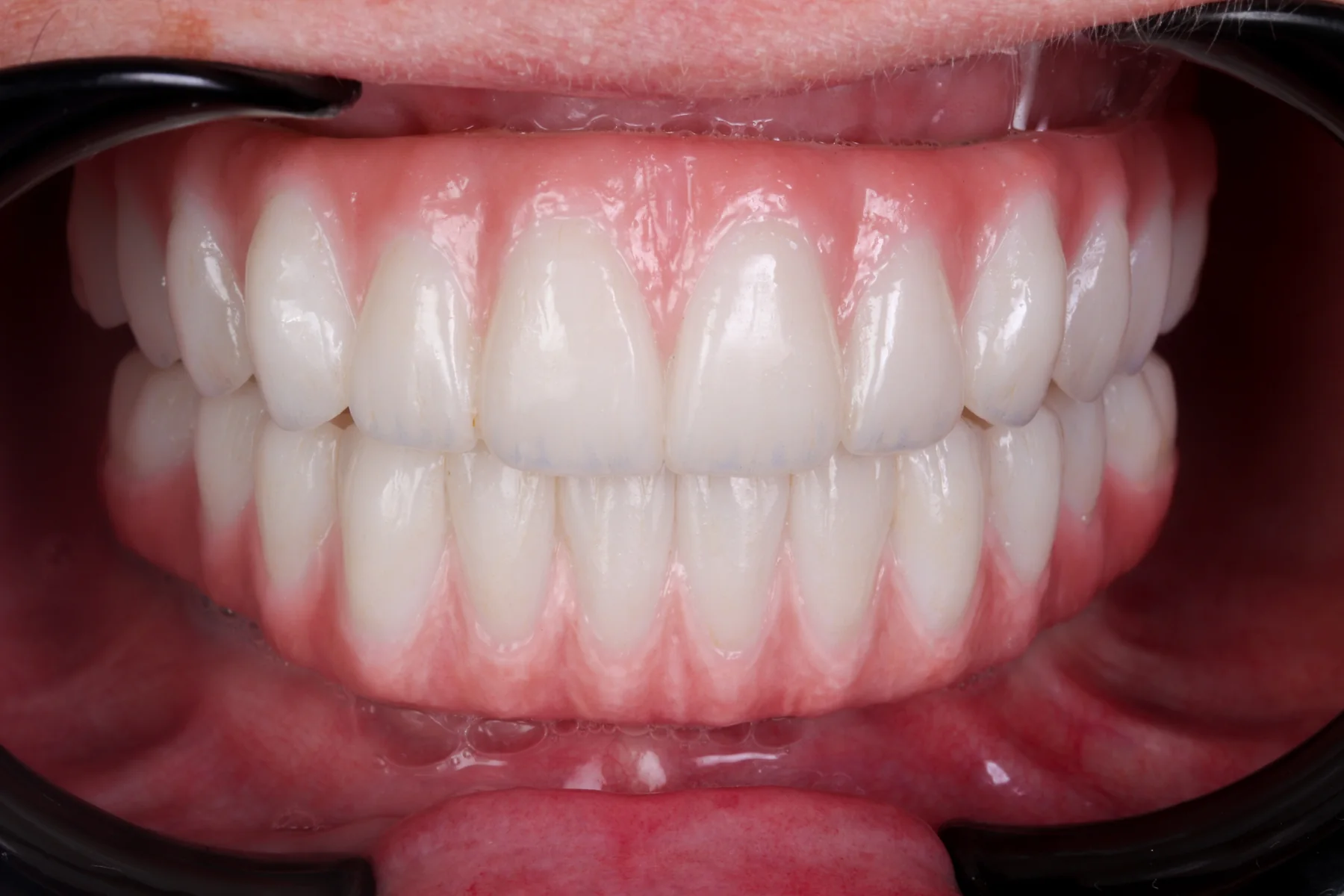
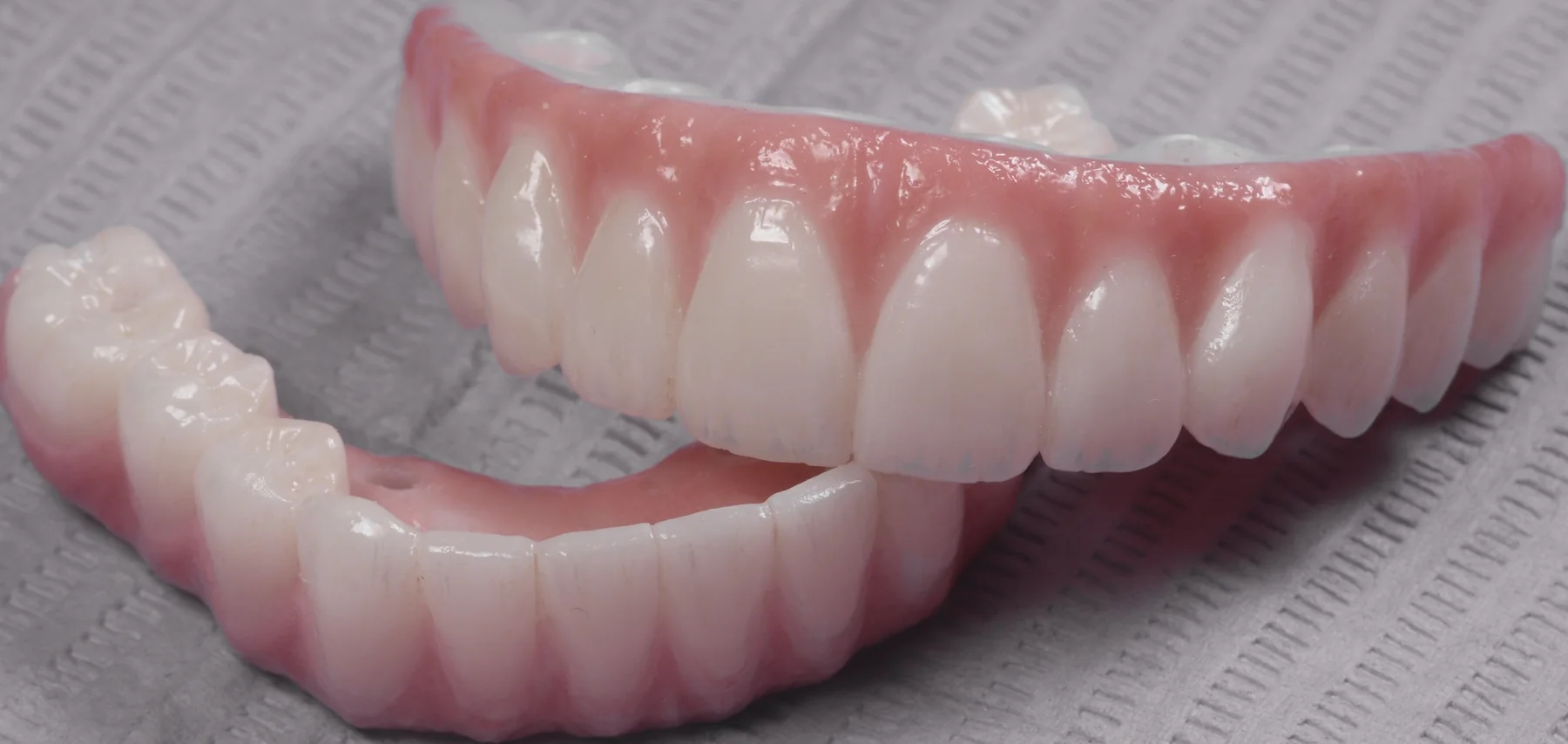
What a try-in can help evaluate
A tooth setup or trial restoration gives the patient and restorative team a concrete way to discuss tooth position, facial support and speech before definitive work. A denture flange can supply support in a region that a fixed design may address differently. Ask which aspects of the proposed design you will be able to assess in a trial and which features remain dependent on healing or final laboratory fabrication.
Balance appearance with everyday access
The design has to leave access for routine cleaning and professional maintenance. If a plan involves a different amount of artificial gum or a change from removable to fixed teeth, ask the clinician to explain how lip support and cleaning access would change together. A photographic example is helpful when it shows the same design problem, but the final decision needs your own facial proportions, anatomy and trial setup.