
At a glance
| Question | Record to obtain |
|---|---|
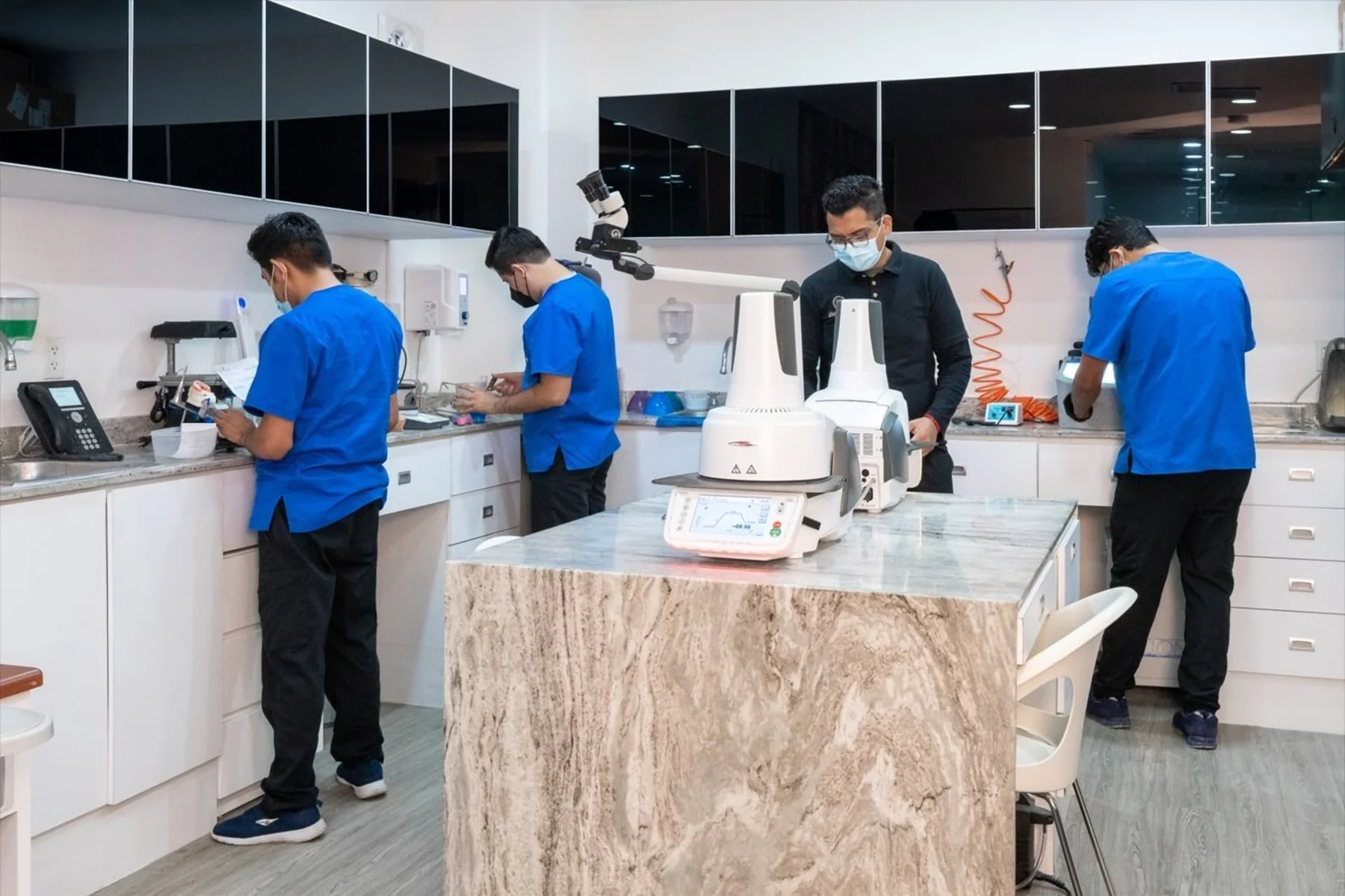
| How was it made? | Printed resin or milled material and laboratory |
| What was evaluated? | Temporary bridge survival at a specified follow-up |
| Who handles a problem? | Responsible clinician, laboratory and interim plan |
What the two manufacturing routes describe
Milling removes material from a prefabricated blank to create the designed arch. Printing builds the restoration from a digital design with a compatible resin and production workflow. Material name, manufacturing method, number of supports and intended period of use all belong on the laboratory record. “Digital temporary” alone leaves open which material was used and what the clinic plans to deliver at the next stage.
What the provisional-bridge study measured
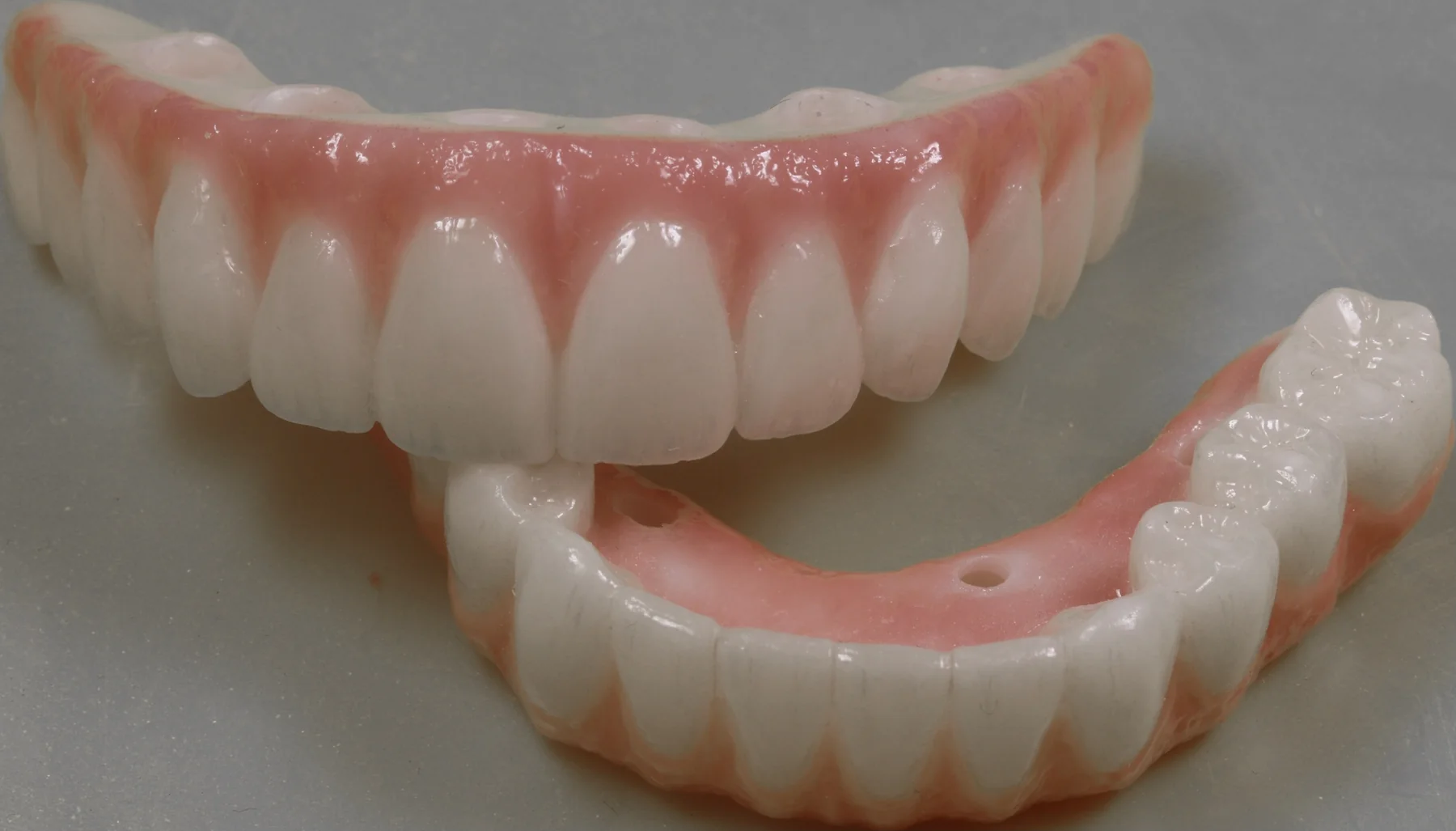
A retrospective study of immediate provisionals reported data from 335 patients and 443 six-implant restorations. At 180 days the estimated prosthesis survival was 92.4% for the milled group and 93.0% for the printed group. The authors did not find a statistically significant difference in the hazard of prosthetic failure. Their result concerns temporary bridges under these clinical conditions. It cannot establish that any two resins are interchangeable or predict the lifetime of definitive teeth.
If the temporary needs attention
Clarify where the bridge was made, whether the treating team retains the design file, and which service is available if the provisional breaks before the next visit. Include repair and remake policies in the discussion, especially if the laboratory and the patient are in different cities. The date of the final records or try-in is a distinct milestone from placement of the temporary bridge.