
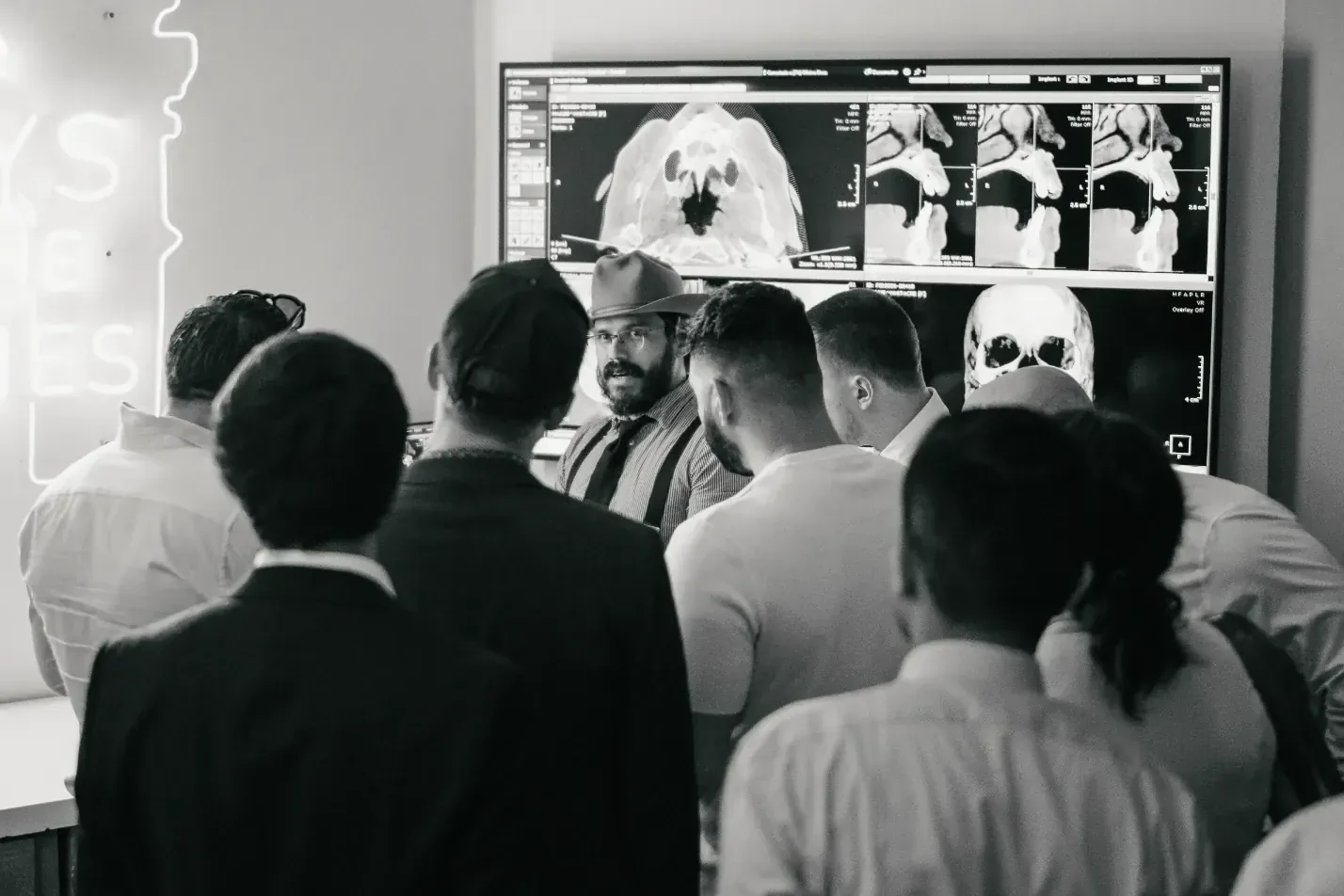
At a glance
| Term in a proposal | Which detail to request |
|---|---|
| Posterior anchorage | The structure used and the position of the restoration |
| Graftless | Which graft is avoided and which other procedures remain |
| Survival | Follow-up duration, denominator and point at which failures occurred |
What the extra support is intended to change
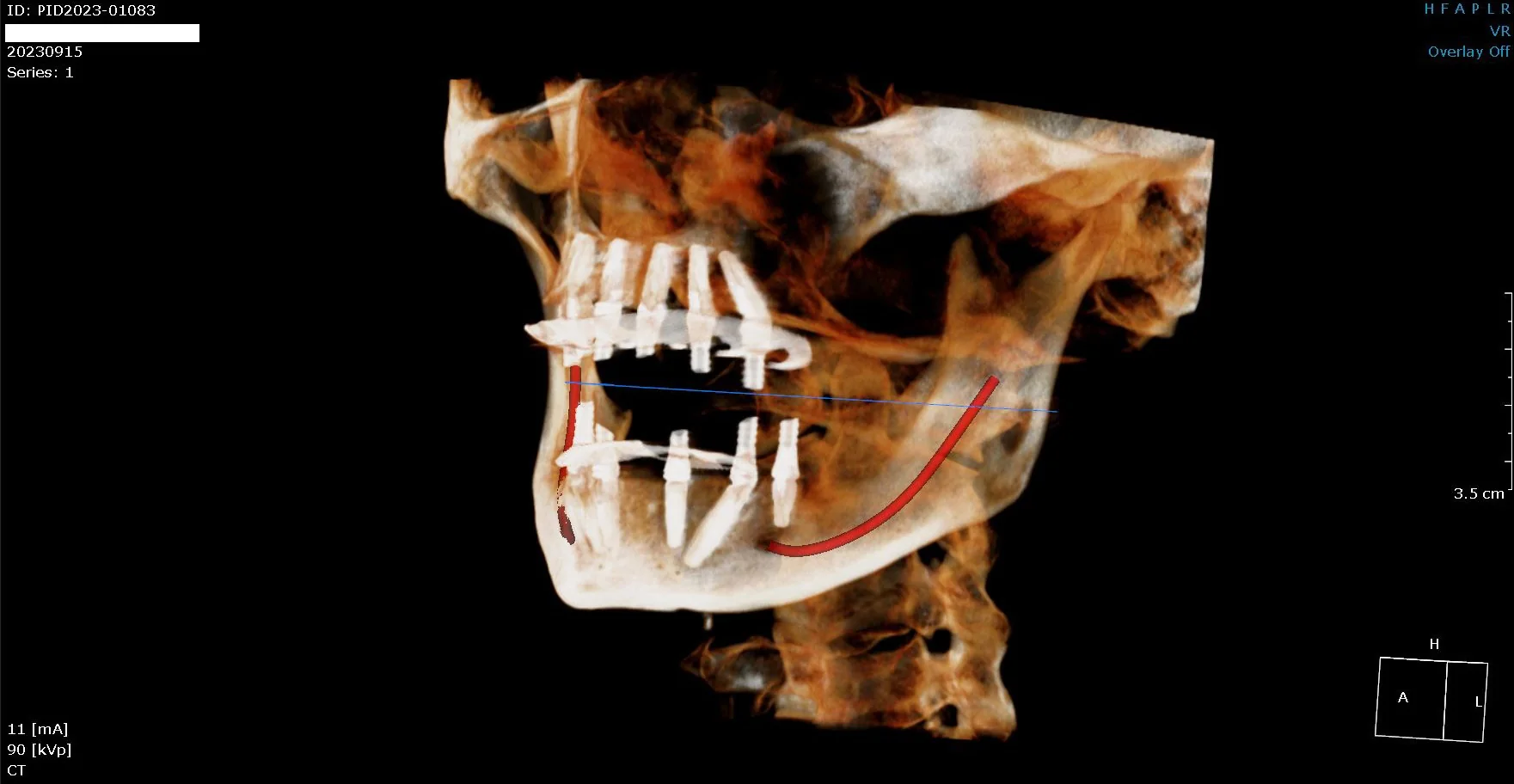
The position of the last support affects how far a fixed bridge extends behind it. In selected patients with posterior upper-jaw bone loss, the team may consider pterygoid anchorage alongside other approaches such as augmentation. A zygomatic implant reaches the cheekbone and represents a different plan. Request a labeled diagram if a proposal uses the broad phrase “advanced implants.”
A longer study period can hide shorter follow-up
A retrospective university cohort described 102 pterygoid implants in 69 people treated by one surgeon. Its observation window extended to nine years, but the mean follow-up was about 34 months. All five losses occurred before functional loading. The distinction is practical: a fixture that fails before the bridge enters use affects provisional treatment and the ability to proceed with the planned reconstruction.
What the wider literature leaves uncertain
A 2026 review included 17 studies and pooled survival from 14 of them. The estimate was high, while certainty of evidence was rated low to very low and complication reporting varied. It does not establish which surgical alternative best serves an individual. Discuss the operator’s experience with this anatomy, the restorative options if a planned support is unavailable, and how the practice organizes locally accessible follow-up.