
At a glance
| Study field | Swedish example |
|---|---|
| Early/late boundary | Attachment of the restoration |
| Initial records | 2,765 people and 11,311 implants |
| Late clinical follow-up | 596 people attended |
| Unit counted | Patients with a loss or individual implants lost |
The endpoint was a treatment milestone
Researchers used a national register to select people who had received implant-supported restorative therapy in 2003. Records from 2,765 people covered 11,311 implants. The investigators classified losses before attachment of the restoration as early. A later loss counted in the late category. A person waiting longer for their restoration could have a longer “early” observation period under that definition.
Patients and fixtures give different percentages
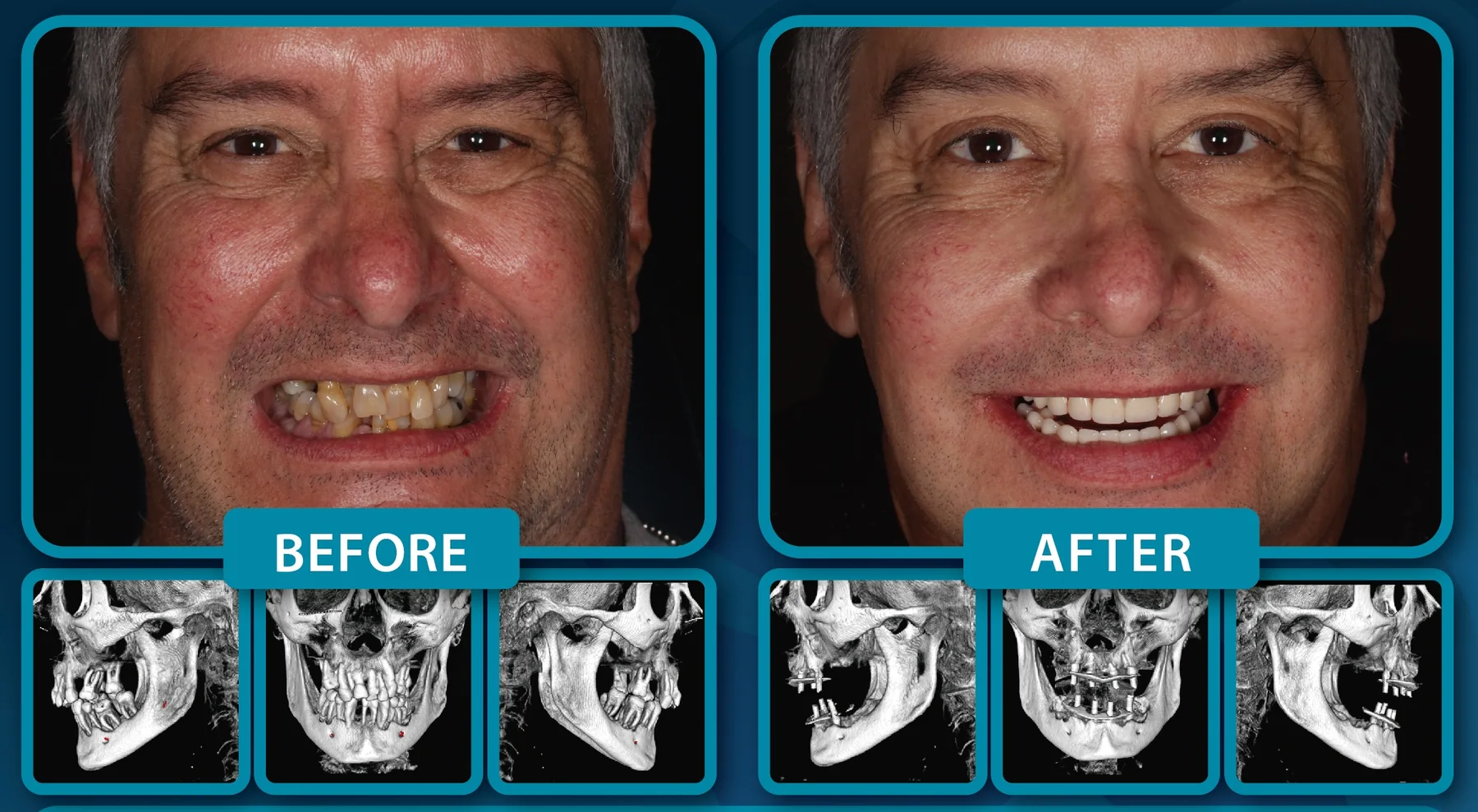
Early loss involved 4.4% of patients and 1.4% of implants. One person can receive several implants and experience one loss, so the two percentages sensibly differ. Of the 596 people who attended the examination about nine years after treatment, 4.2% had experienced a late loss. Those groups and observation periods differ. Adding the two percentages would not produce an individual’s lifetime risk.
What belongs next to the finding
Record the treatment year, region, definition of early loss, denominator and follow-up cohort. This study observed associations with patient and implant features. An association in historical records cannot isolate a material, brand or clinical choice as the sole explanation. Its estimate is most informative when the proposed comparison uses the same clock and outcome.