

At a glance
| Variable | Why it belongs in the record |
|---|---|
| Abutment material | The component visible through the tissue may differ from the fixture |
| Tissue thickness | The analyzed group can be limited to thin tissue |
| Measurement site | Results may vary with distance from the gum margin |
| Restoration stage | Readings before and after crown delivery may differ |
Where the instrument looks
The abutment sits between the implant body and the crown. Investigators used color-measuring equipment to compare predefined regions around restorations and natural teeth. The reported color difference, often written ΔE, summarizes a difference between measurements. It has no direct translation to a shade card for the visible crown or to how satisfied a particular person will be with a smile.
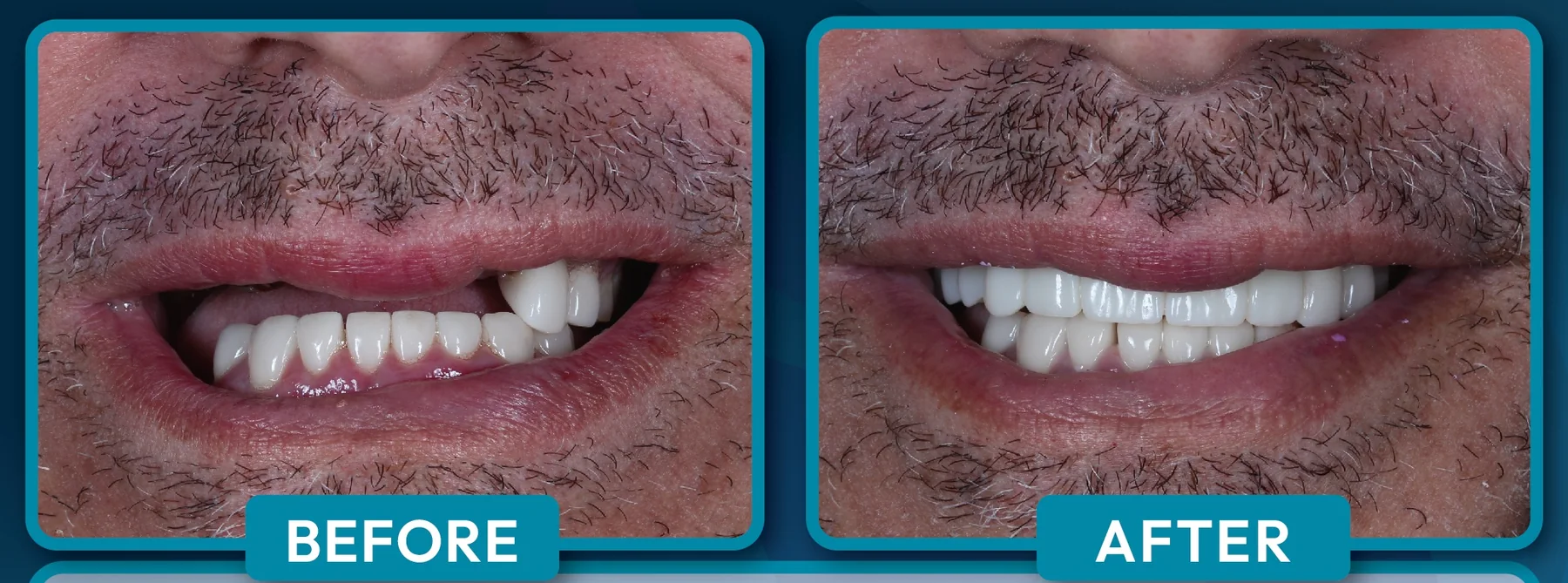
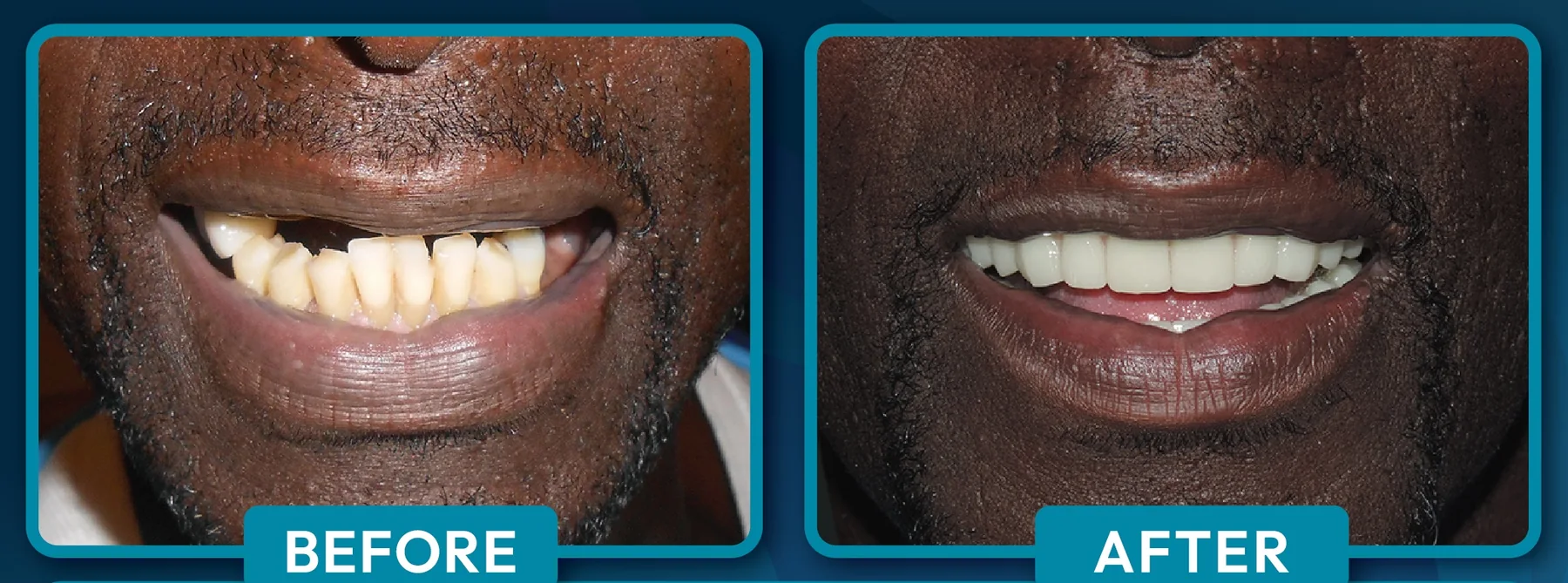
Testing several abutments at the same site
A multicenter study tried gold, titanium and zirconia abutments under an all-ceramic crown in the upper front region. Fifteen patients met its soft-tissue thickness criterion. For tissue 2 mm thick or thinner, the gold and zirconia groups had smaller average color differences from the comparison tissue than the titanium group. With all three materials, the measured color still differed from the natural-tooth reference.
The completed restoration matters
A separate randomized paired study of eleven people found that a difference between titanium and zirconia could depend on the distance measured from the gum margin and whether the crown had already been cemented. The crown types also differed between the two assemblies. Ask which component is being proposed for an aesthetic reason and which feature the clinician expects it to change. A color measurement supplies no evidence about long-term implant survival.