At a glance
| Study feature | What it means for interpretation |
|---|---|
| 2,039 arches | Single laboratory production cohort |
| Six fractures | Returned catastrophic failures of the zirconia |
| Nine cylinder-related returns | Six debondings and three cylinder fractures |
| 99.3% | Cumulative five-year estimate based on observed returns |
One laboratory and one material system
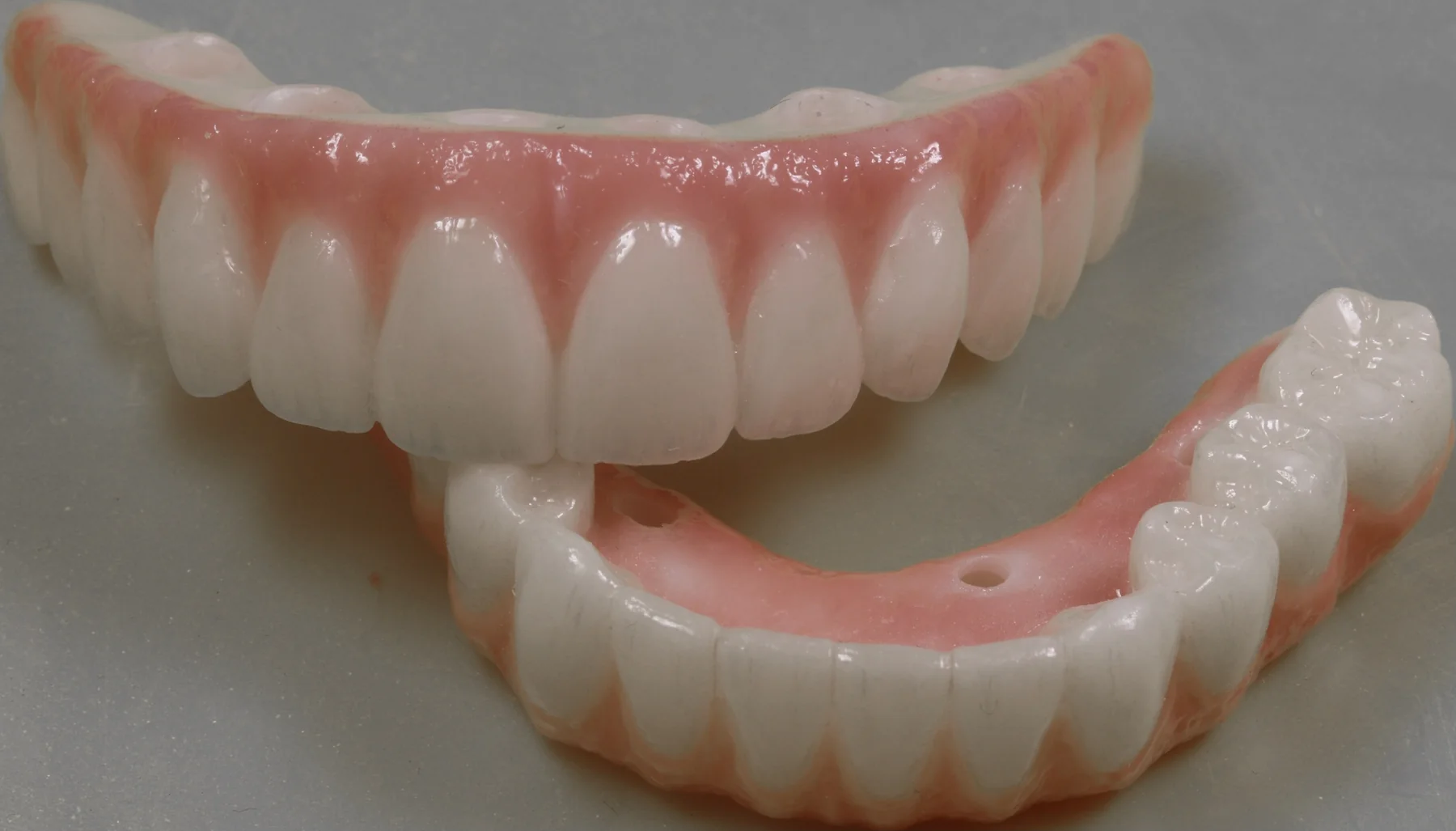
The laboratory used a standardized fabrication protocol and zirconia from one manufacturer. Its arches were predominantly monolithic, with veneering porcelain confined to the gum-colored area. A five-year fracture warranty gave the laboratory a way to identify bridges clinicians returned for a remake. This makes the study particularly informative about that particular product and return process.
A fracture and a debonding are distinct events
Alongside the six zirconia fractures, six bridges were returned after a titanium cylinder debonded and three after a titanium cylinder fractured. The cylinder is involved in the attachment to the implant components. A cylinder problem can interrupt use even when the ceramic framework remains intact. A report that counts only broken zirconia omits a different kind of technical intervention.
Who reached the later years?
At least 319 bridges had three years of service and 69 had at least four. The published five-year cumulative survival of 99.3% came from a life-table analysis with different observation times. A five-year return window across the laboratory does not mean 2,039 separate five-year dental examinations. A small chairside repair or a problem treated by a different laboratory may never enter this return system.