
At a glance
| What you have | What it can establish |
|---|---|
| Consent form or itemized invoice | Name of provider and probable dates of care |
| Written request and delivery confirmation | Which records you requested, when and from whom |
| Operative report or site-linked labels | Documented component identities at individual sites |
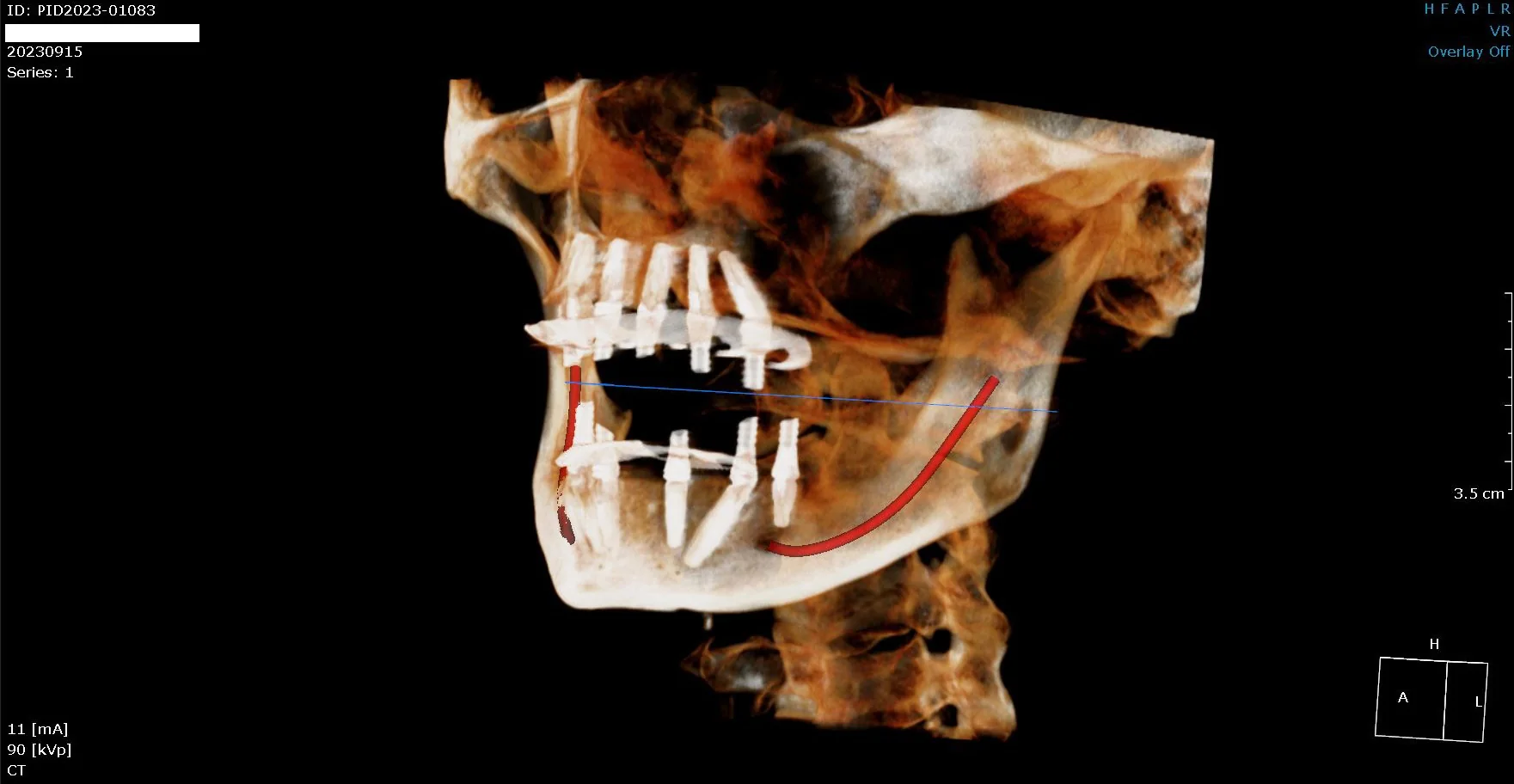
| Prior radiograph without a label | Appearance and location for the clinician to assess |
Reconstruct the provider and the dates
Gather itemized invoices, dated appointment messages, scan referrals and photographs of labels. Identify the actual treating office, city and clinician. A booking service or laboratory may help identify the provider. Ask the successor practice or former clinician who holds the clinical archive, and confirm a private channel before sending identification.
Request a clinical summary in writing
Mexico’s clinical-record standard, NOM-004-SSA3-2012, states that requests for a clinical summary or other certifications from the record must be made in writing. It specifies a minimum retention period of five years from the last medical act. Include your treatment dates and identify the requested items, such as site-specific implant labels and images. A minimum retention period does not tell you who now holds a particular file.
Carry confirmed facts into the new record
Ask the new dentist to distinguish original documentation from details based on memory or appearance. Keep copies of requests and replies. For unresolved disputes about care in Mexico, CONAMED publishes its complaint process and the provider details and supporting documents it requests. If a repair is needed while the search continues, let the receiving team know exactly which information is missing.