
At a glance
| What the team checks | Why it matters |
|---|---|
| Path under the bridge | Can the patient reach the tissue-facing surface? |
| Shape of the restoration | Is access blocked even with a correctly sized aid? |
| Tissue findings at that site | Is there bleeding or another change to follow? |
| Demonstration and review | Can the person repeat the technique and reach the same spot at home? |
Show the exact place that is difficult
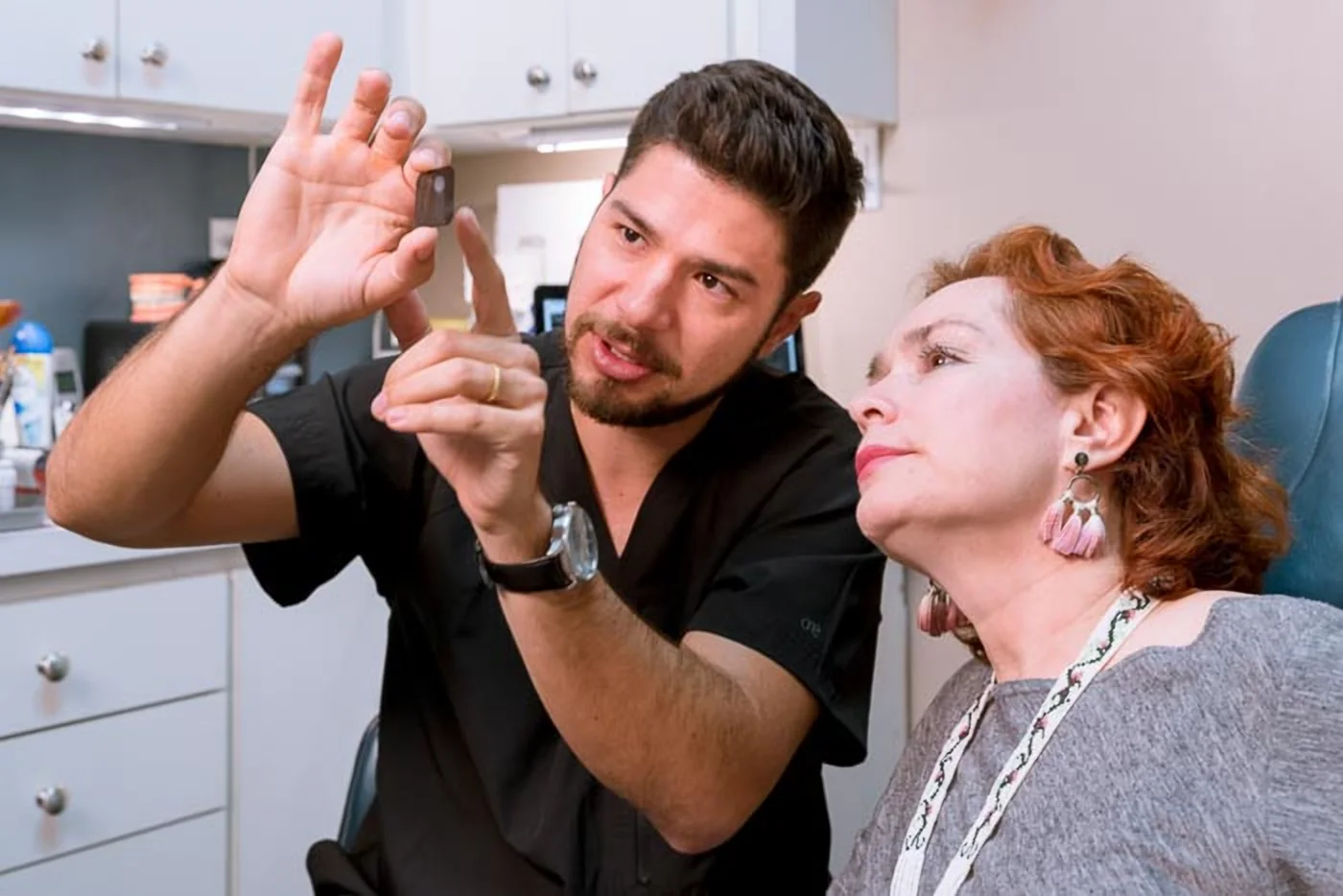
Bring the aids you actually use and show the hygienist where one stops passing under the bridge, catches or leaves a section untouched. The European Federation of Periodontology includes access for everyday hygiene, professional cleaning and probing among the design considerations for implant restorations. Each surface can present a different problem.
What the clinical evidence tested
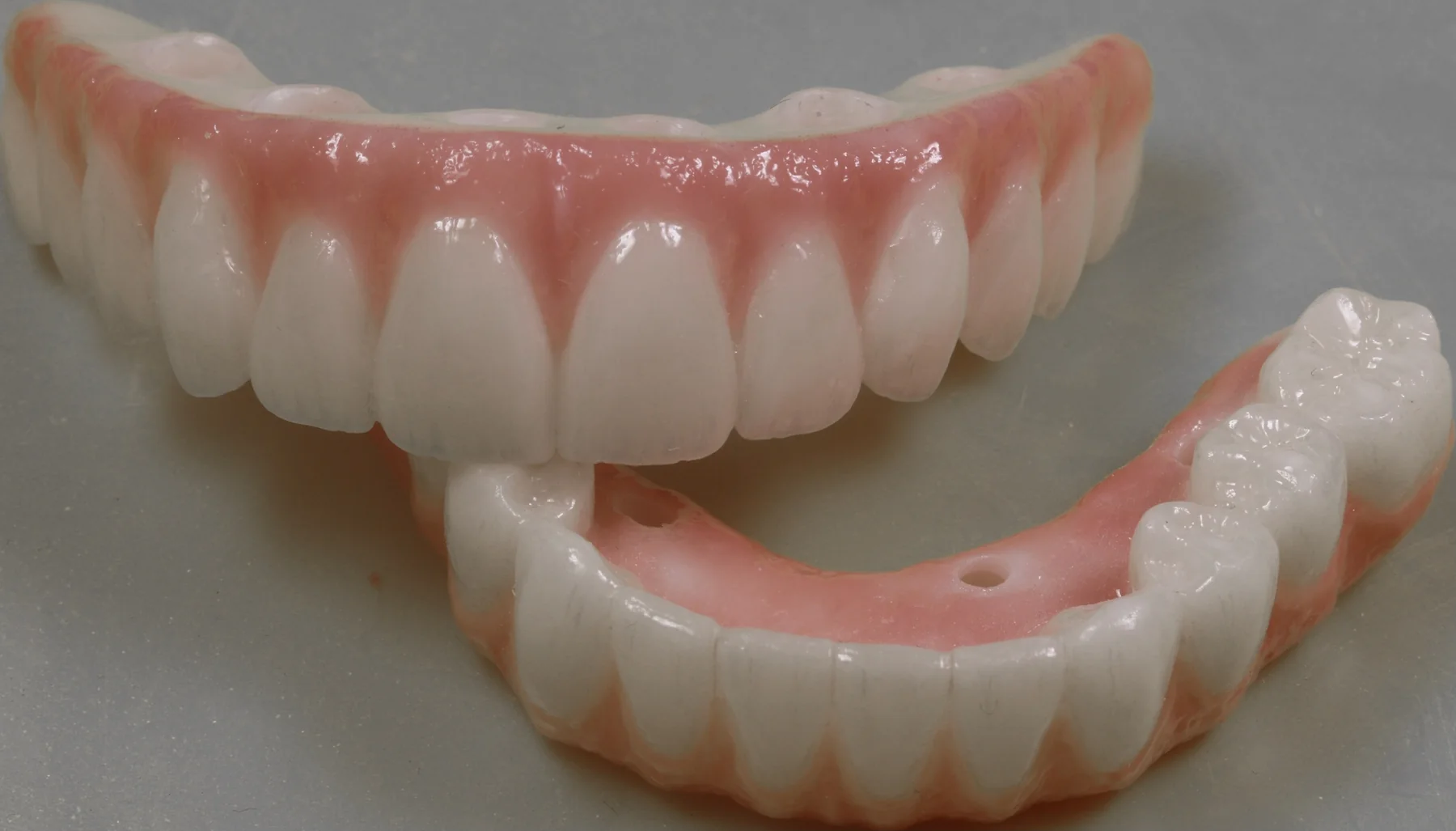
In a randomized trial by de Tapia and colleagues, participants with inflammation around implants received professional treatment and hygiene instruction. The test group also had the restoration modified to improve access. Forty-five completed six months. The modified group had a greater improvement in bleeding scores. That result concerns selected patients with mucositis and a specific access problem. It does not establish that every difficult bridge needs reshaping.
What changes after the review
Ask the clinician to show how a recommended aid reaches the area with your own bridge in place. If the shape or fit needs assessment, ask the restorative dentist to document which surface is involved and how it will be reassessed. A change to the prosthesis and a change to daily technique can each be checked at the same site on a later visit.