
At a glance
| Reported change | What the receiving practice may assess |
|---|---|
| Easier to lift out | Retentive insert, matrix, clip and attachment condition |
| Tips while chewing | Base support and contact between upper and lower teeth |
| Rubs in one place | Local pressure or fit and the condition of the soft tissue |
| Repeated short-lived adjustments | Attachment wear, denture fit and history of previous repairs |
Retention and fit are separate questions
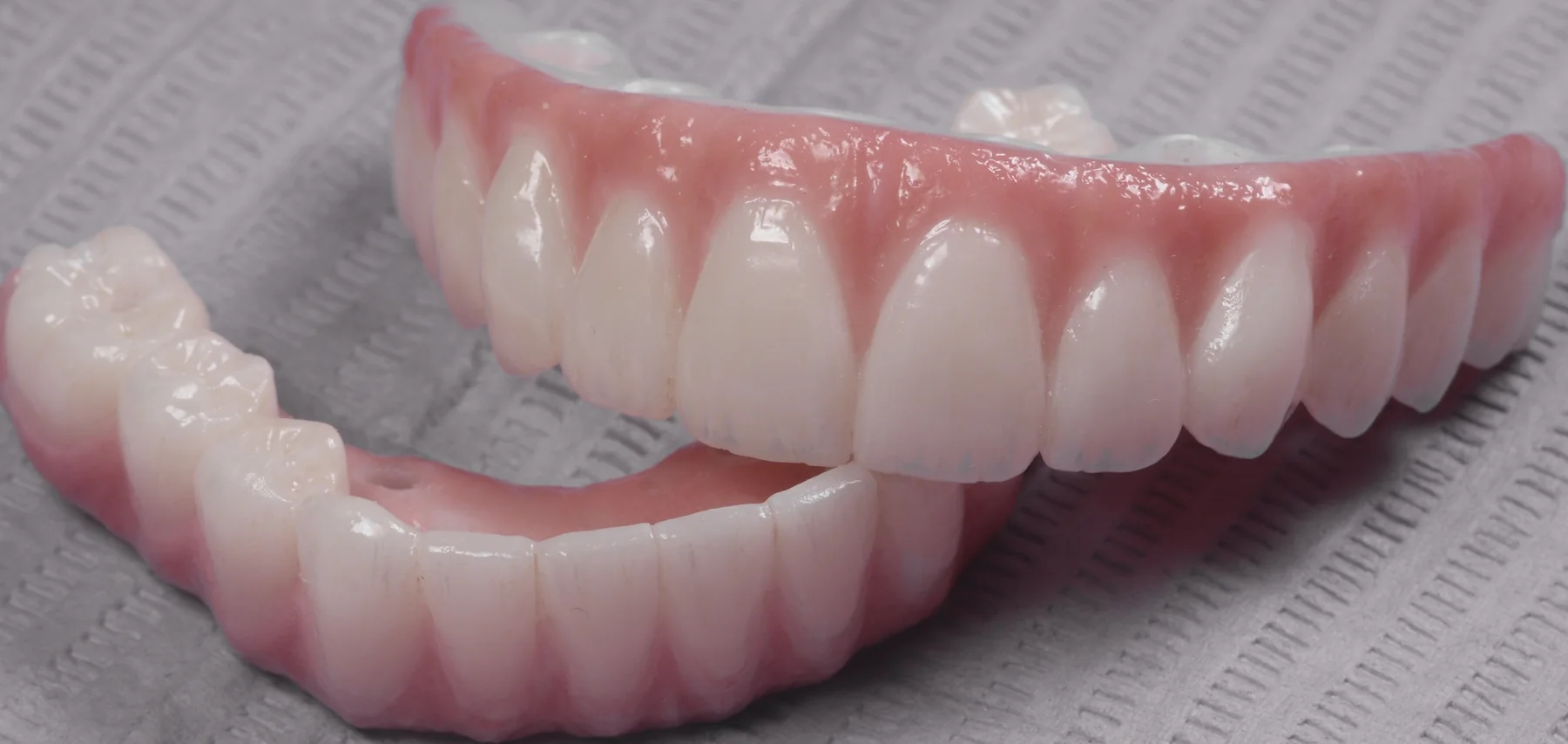
The attachment provides grip. Depending on the design, it can include replaceable inserts, a matrix or a clip. The denture base also has to fit the ridge it rests against. Replacing a worn insert addresses retention. A reline changes the tissue-facing surface of the base. Bite contacts, damage to the denture and sore areas can influence what feels loose.
What five-year studies found
Matthys and colleagues followed 90 people with lower two-implant overdentures. Five-year implant survival was 98.7% across the two attachment groups, while adjustments for retention and other aftercare were still needed. A separate five-year randomized trial in patients with atrophied lower ridges recorded wear of retentive parts and activation of bar clips. The types of service varied with design. Neither study yields a universal insert replacement date.
What to record after an adjustment
Ask which attachment system and insert or clip was serviced, whether the base fit was checked, and how the change was evaluated with the denture in place. Bring the denture itself and any system information to the appointment. A photograph of the smile alone gives the next practice little information about the parts beneath it.