
At a glance
| Caregiver handover field | Example of the information needed |
|---|---|
| Upper and lower design | Fixed bridge above, removable overdenture below |
| Usual routine | Which aids go where and how the removable appliance is stored |
| Person’s preferences and assistance | Which steps they do and where help is welcome |
| Problem to report | A sore area, a newly loose appliance or difficulty reaching a surface |
Identify which teeth come out at home
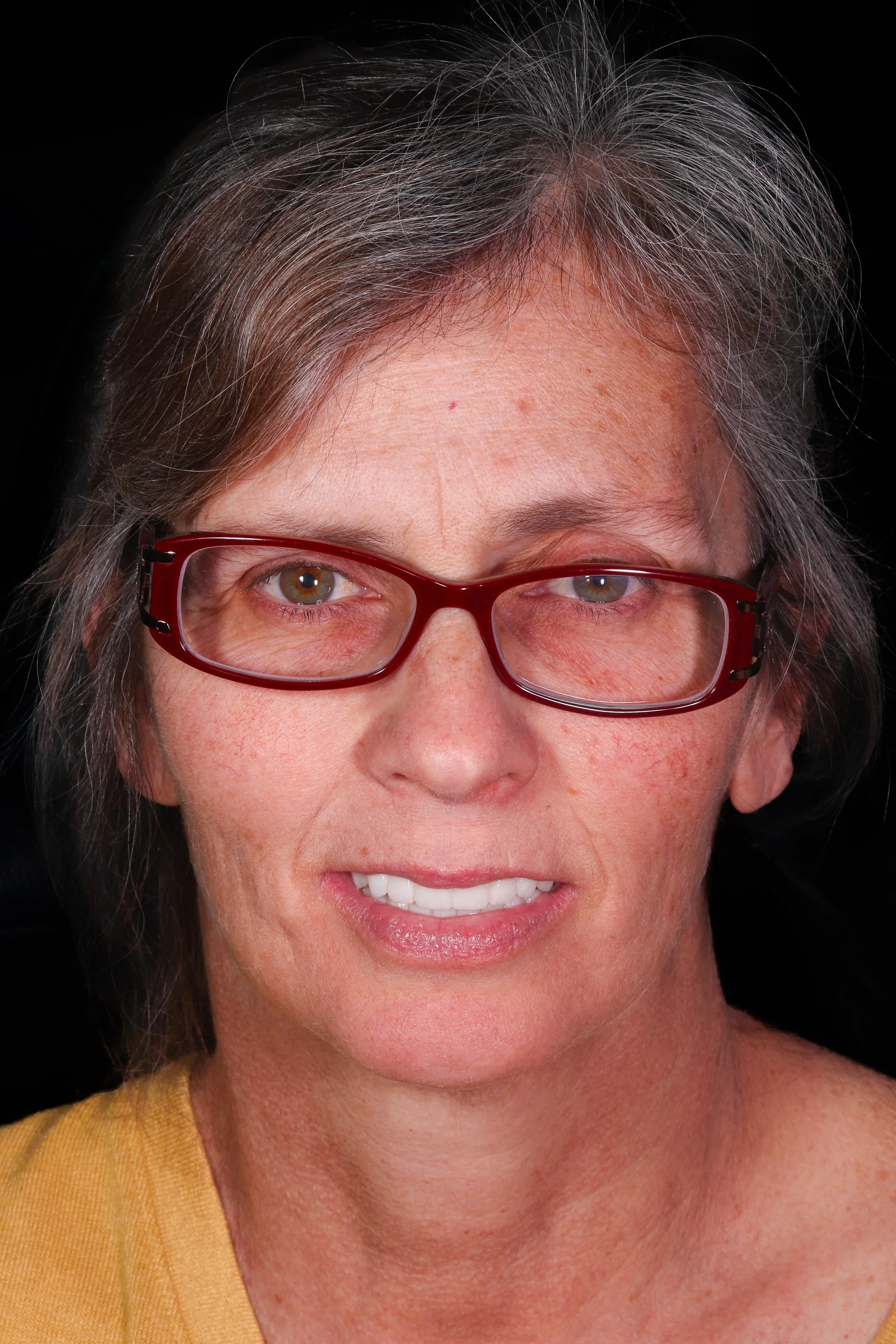
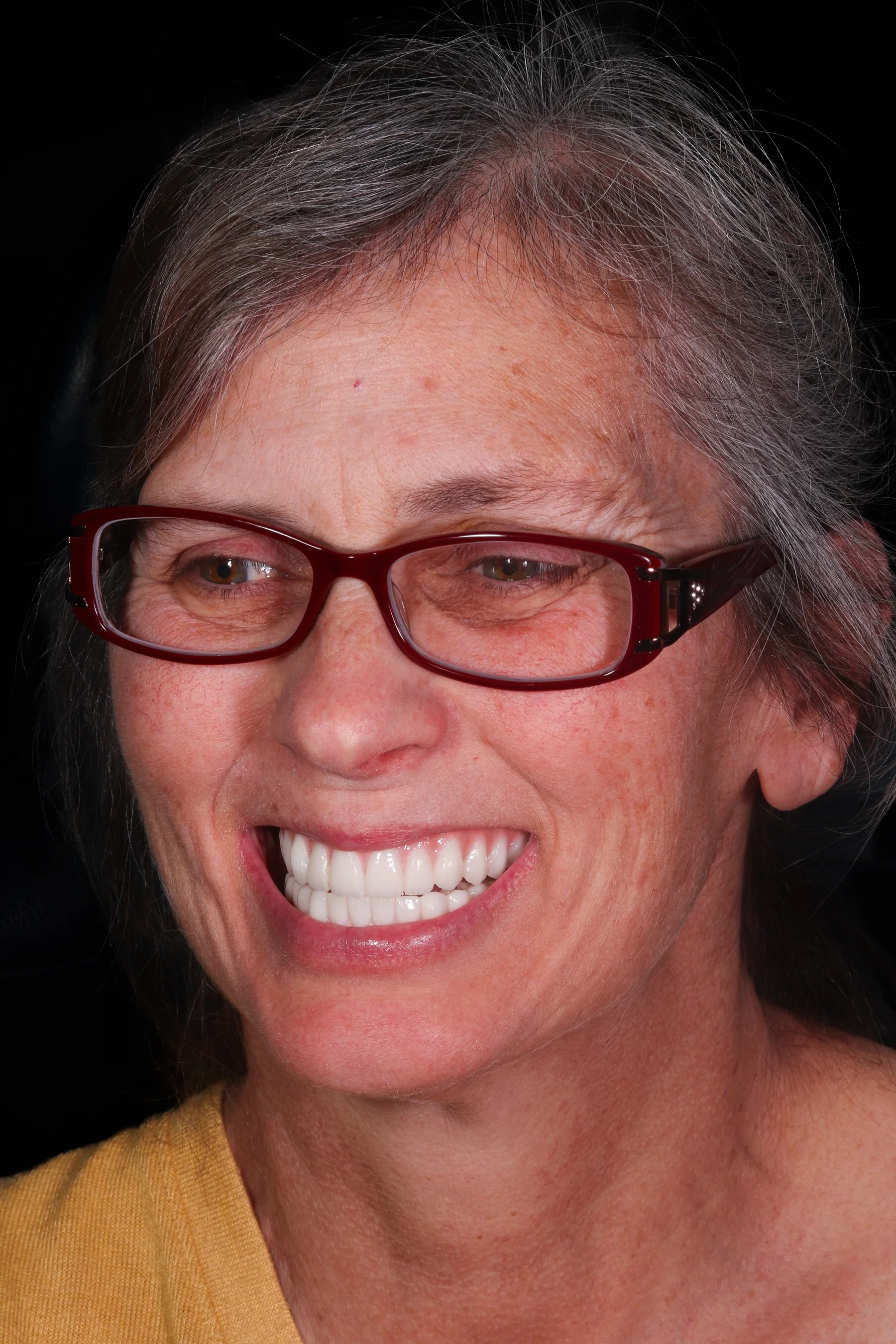
Ask the dental practice to write down the design for the upper and lower jaw separately. A removable overdenture is designed to be taken out for cleaning as instructed. A fixed bridge remains in place during everyday care. For someone with different designs in each jaw, a single note saying “has dentures” leaves too much to guess.
Demonstrate the person’s actual routine
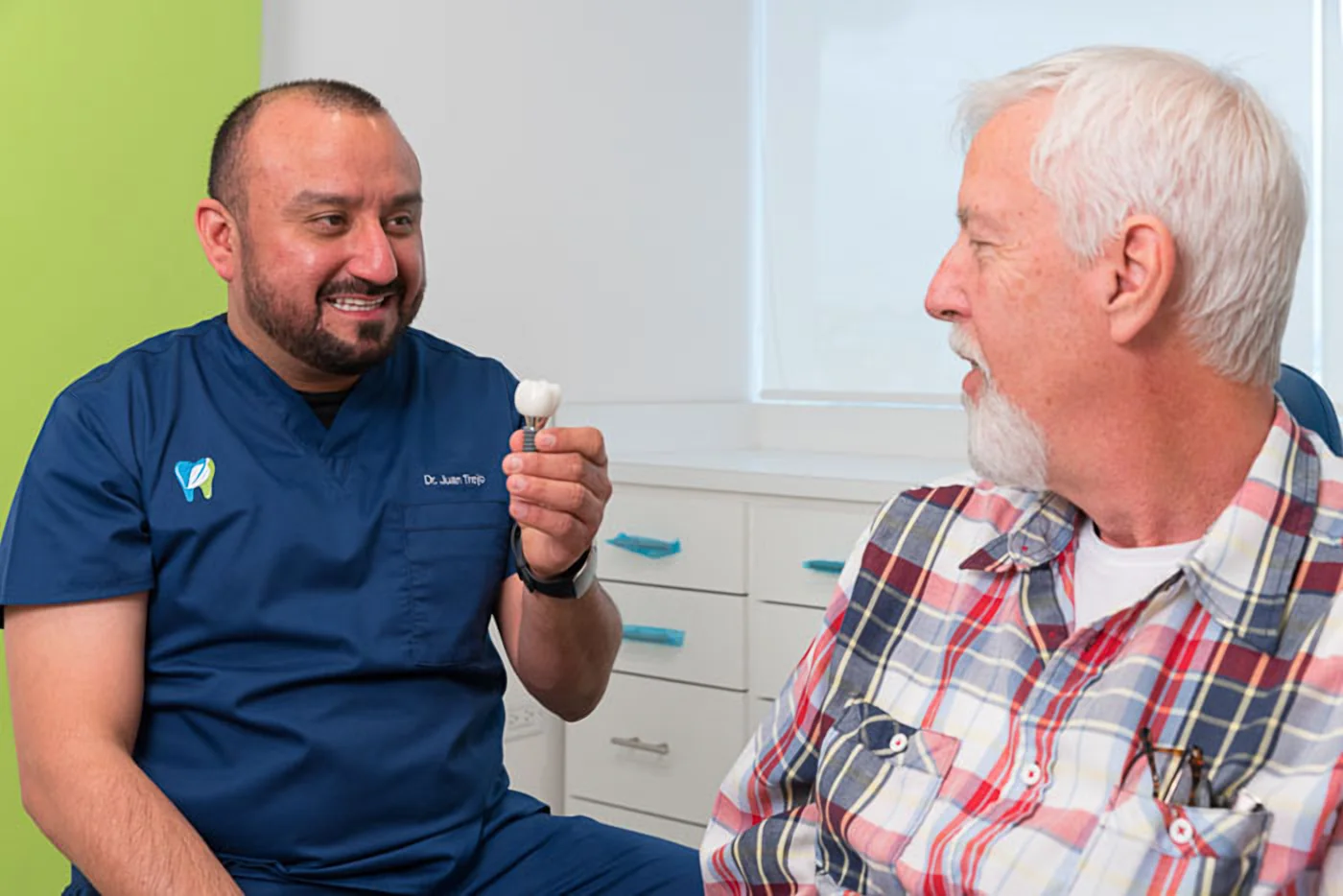
The National Institute of Dental and Craniofacial Research describes practical help for people who have trouble brushing, including adapting a handle and asking a dental professional to demonstrate techniques. Bring the person’s usual aids to an appointment if possible. Ask the team to show the caregiver how to reach around attachments or beneath a fixed bridge, and how to clean and store a removable appliance according to its materials.
Document how much assistance the person wants
Write down which steps the person manages independently, which require setup or prompting, and which require hands-on help. Include the usual place for a removable appliance, the dental office’s number and how to report soreness, poor fit or a change in the person’s ability to manage the routine. Review the note when dexterity, vision, memory or the restoration changes.